Air Purifying Plants for Indoor
Growing air cleaning or purifying plants will help you remove toxins and improve air quality. In major cities, poor air quality has become an issue while air purifiers and air purifying plants are another options you can consider. There are several reasons for poor air quality such as pollution from vehicles, industries, stubble burning, and construction. As the government is trying to tackle the pollution outside our home and will take some time, we can do our bit and try to minimize the exposure, one method to do this is by placing some air purifying indoor plants inside your home, office, and other spaces. Indoor pollution controlled by growing air purifying plants at home. Here’s a list of oxygen-producing or air purifying plants that can be grown indoor. It is easy to take care of these air purifying plants and can be easily found at a nearby nursery or a garden. In this article we also covered the below topics about air purifying plants;
- Best air purifying indoor plants
- Best plants for cleaning indoor air
- The best air purifying plants for indoors
- Purifying plants that you must have in house
Health Benefits of Air Purifying Indoor Plants
Air purifying indoor plants has the following benefits;
Indoor air purifying plants can;
- Reduce irritation to eyes, nose, and throat
- Prevent or ease coughing and congestion
- Lower your stress
- Boost your attention capacity
- A purifying indoor plant reduces CO2 levels and also increases relative humidity. The air purifying plants help get rid of stale air and act as a natural humidifier.
- Lowers toxic CO2 levels by processing it into oxygen
- Lessens the levels of certain pollutants like benzene and nitrogen dioxide
- Reducing airborne dust levels
- Keeping air temperatures down
- Plants help lower background noise
- All plants can act as air cleaners but some are more beneficial than other plants
Number of Air Purifying Plants for Indoors To Purify a Room
The more plants are the better. To reap the benefits, have at least 2 plants per 100 square feet. Keep in mind those plants with larger leaves will purify air quicker.
A step-by-step guide to Air Purifying Plants for Indoor
List of Air Purifying Indoor Plants in India
The below list of air purifying indoor plants in India that you should keep in your home or office space to purify the air inside.
Devil’s Ivy or Pothos or Money plant
This is one of the best Air Purifying Plants for Indoor. Money plant is also known as Golden Pothos, and Devil’s Ivy. Money plant is easy to grow houseplant that will fight off common household toxins. Money plant grows well in water, pots and hanging baskets. Money plant has heart-shaped green color leaves with bits and shades of gold color in them.
Money plants are used to improve indoor air quality, as money plants give out oxygen even at night, this makes them that much more feasible and valuable placing them in living and bedroom. Money plant can be planted in both water and solid, also, if you already have this plant in your garden, all you need to do is place a part of that money plant and put it in soil or water and it’ll start growing. One thing to keep in mind is that, if you are growing it in water, the water should be changed every week. Money plant removes some gases and compounds like Carbon monoxide, Benzene, Formaldehyde, Xylene, and Toulene from indoor air.
English ivy
English Ivy is also called European Ivy or Hedera helix. English ivy is beautiful as a groundcover or a houseplant. Also, the English Ivy plant is excellent for removing harmful chemicals found in the home. English ivy plant can grow in full shade to full sun, can be trained into shapes, and with proper care, it is likely to survive for several years. This easy-growing perennial vine is particularly effective at reducing airborne faecal particles which makes it the perfect air purifying plant for your home.
Incredibly easy to grow the plant, anyone just getting into air purifying plants can see an English Ivy thrive. It is believed to have valuable properties in improving indoor air quality. English ivies can remove toxins like Benzene, Formaldehyde, Xylene, and Toulene. This is one of the best Air Purifying Plants for Indoor.
Dwarf Date Palm
Dwarf palms are the babies of the palm family. They are easy to grow in partial shade, growing up to 6 to 10 feet with their fronds reaching 6 feet too. Dwarf Date Palm is a dwarf variant of Phoenix Date Palm. It is one of the best ornamentals and perfect landscaping palm plants for small areas, it provides a stunning tropical look with feathery leaves, and it can be kept outdoors as well as bright light indoors. Dwarf Date Palm is native to Southeastern Asia and grows well in Indian weather conditions. It is very effective in purifying the air by removing Formaldehyde, Xylene, and Toluene and increasing the humidity levels.
Like most palms, the Dwarf Date Palm plant is one of the best for removing indoor air pollutants and is especially adept at removing xylene. It is a slow-growing and low-maintenance palm plant that prefers hot and humid temperature conditions; it will do well indoors in bright light like sun-facing windows and prefers at least 3-4 hours shaded sunlight for good growth. Dwarf date palm plant is propagated via seeds and germination takes around 45 to 60 days in temperature between 25 to 40°C. This is also one of the best Air Purifying Plants for Indoor.
Peace Lily
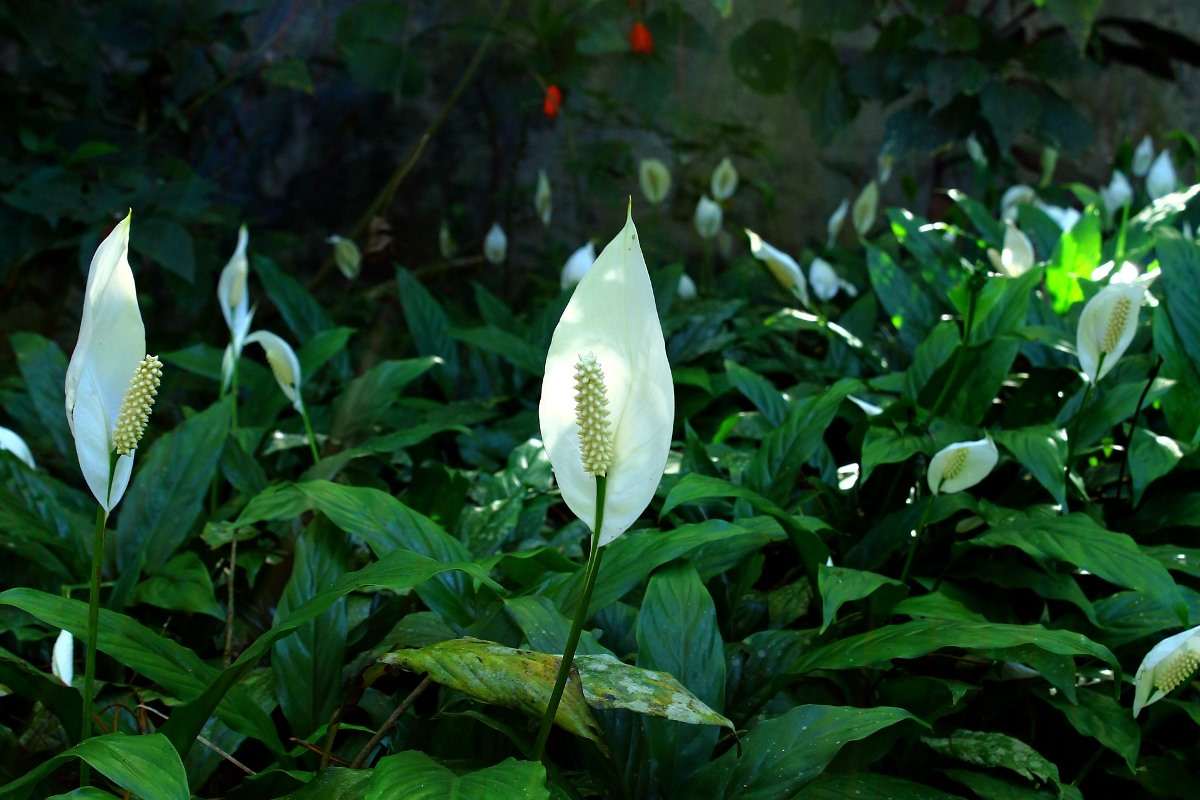
This is also one of the best Air Purifying Plants for Indoor. Peace lilies are easy growing plants at home. Peace lilies like water weekly and fertilize with a slow-release fertilizer in spring to promote growth. Peace lily plants are small compared to many of the plants, so they’re ideal for compact spaces. Put Peace lily plants in a shady spot and keep the soil moist without overwatering. Easy to grow, these Peace lily plants will flower for much of the summer. A plant with big dark green leaves and a white spate, this Peace lily plant has been found to eradicate Benzene, Trichloroethane, ammonia, xylene, toluene, and formaldehyde present in the air indoors. Peace Lily plant is said to have the ability to improve indoor air quality by as much as 60%.
Philodendron
Philodendron is a hardy houseplant that can tolerate lower light but thrive with brighter indirect light. Philodendron plants are relatively easy to look after they just need moderate water and bright, indirect sunlight. It is one of the most effective for reducing air pollution plant.
Philodendron plants are known to remove indoor toxins, particularly formaldehyde, from the air. Formaldehyde is present in cleaning products, particleboard, and carpeting. Try different varieties of philodendrons for an easy-to-grow houseplant that serves double duty as an air cleaner. Philodendron plants are common houseplants that are also known to remove harmful chemicals from the air, formaldehyde being its chemical of choice to remove from the air. Philodendron plants are easy to maintain and will make any room look great with their big dark green leaves. This is also one of the best Air Purifying Plants for Indoor.
Boston Ferns
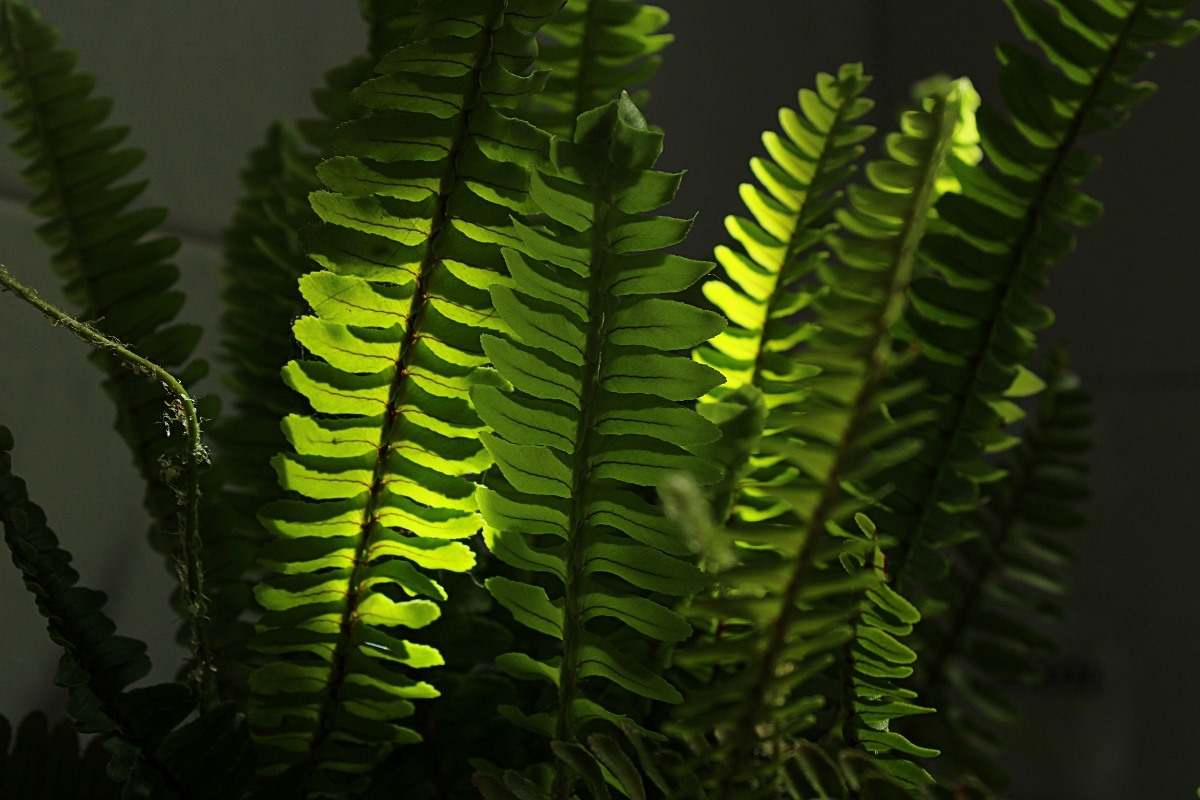
This is one of the best Air Purifying Plants for Indoor. Boston fern plants are easy to grow, but they do need to stay moist. Check Boston fern’s soil daily to see if it needs water and give it a good soak once per month. Boston fern plant is one of the best air-purifying houseplants. This plant not only helps to rid the home of harmful toxins it also improves humidity.
Boston fern is a popular houseplant that belongs to the Lomariopsidaceae family. It is an evergreen perennial herbaceous plant that can reach up to a height of 16 to 35 inches. This plant is known for its lush foliage and feathery ferns which are best displayed when hanging. The Boston fern is cheap and is a great starter fern for people who enjoy the plants with lush green foliage. These plants are known to be one of the best air purifying houseplants. This easy-to-grow plant is perfect for a hanging basket or pedestal. The plant thrives in humid environments and requires consistent moisture. Boston fern plants grow well with regular misting, moist soil and position them in indirect sunlight near windows, balconies, and patios.
Snake plant
This is also one of the best Air Purifying Plants for Indoor.. The snake plant is also called the Mother-In-Law’s Tongue plant. Snake plant is effective for removing the air of formaldehyde, xylene, benzene, toluene, and trichloroethylene.
The snake plant also cleans Carbon Monoxide from the air and it is one of the most Oxygen producing houseplants. The plant can survive in low-light areas, so if you do not get a lot of light in your office or home space, you can place this plant inside. Snake plant is considered highly efficient in producing oxygen, thus purifying indoor air.
Spider Plant
This is also one of the best Air Purifying Plants for Indoor. Spider plants are the easiest air purifying indoor plants to grow at home and making them a great choice for beginners. This houseplant thrives in bright, indirect light and works hard to remove the air from harmful pollutants like formaldehyde and benzene.
It is easy to grow the indoor plant, and it has a popular air purifying capacity and medicinal properties. Spider plant has long, thin and arched leaves that are solid green in color or variegated with white. It is considered the easiest air purifying plant to grow. It is effective in removing harmful chemicals from the air like carbon monoxide, xylene, formaldehyde, and toluene. The spider plant is great at removing formaldehyde, which is a common household chemical and found in manufactured wood products, pesticides, leather goods, plastic products, adhesives, clothing, and drapes, etc. Spider plants also send out shoots of baby spider plants are called spiderettes.
Aloe Vera
In case if you miss this Vegetable Farming At Home.
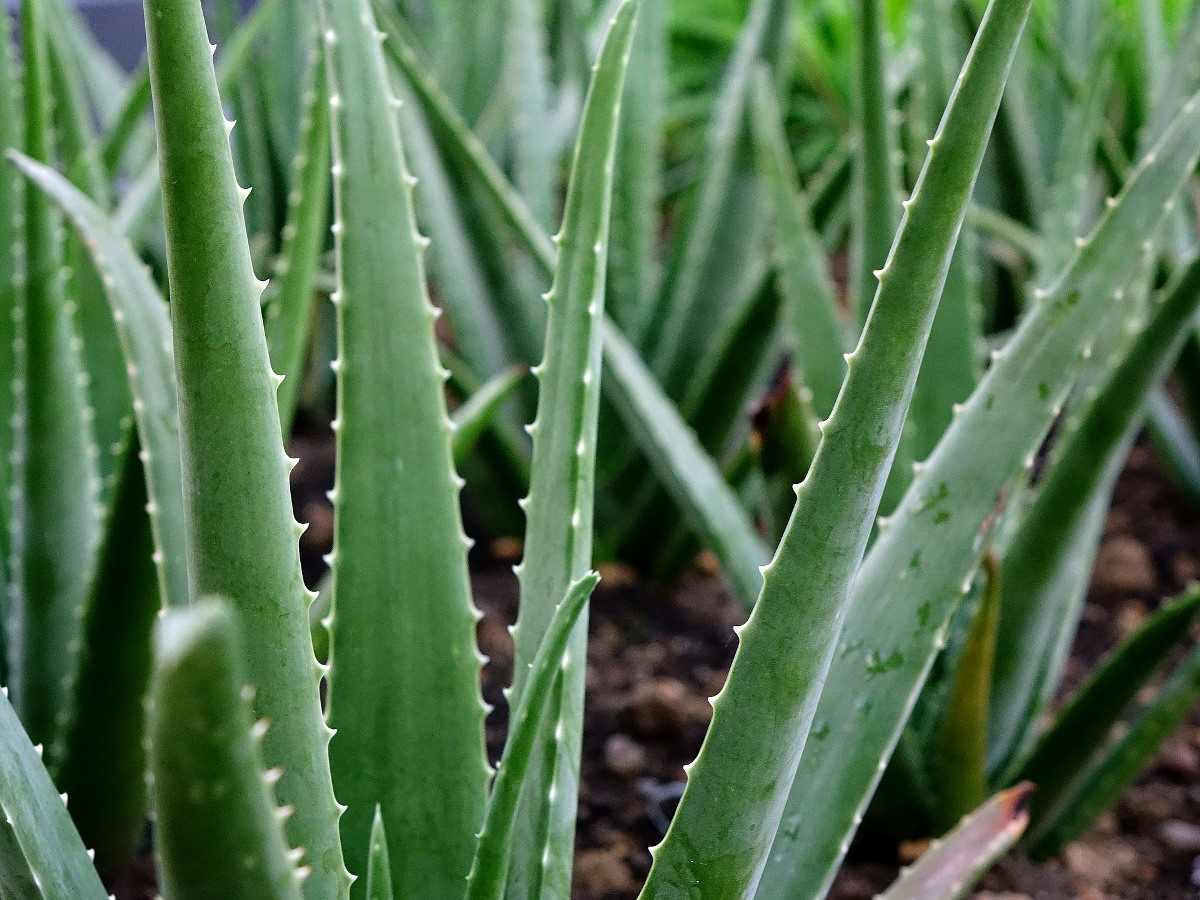
This is also one of the best Air Purifying Plants for Indoor. Aloe Vera plant is a lovely addition to your kitchen windowsill, indoors, and balcony. These easy-to-grow and sun-loving plants help clear formaldehyde and benzene. Growing Aloe Vera plant at home is a good way to remove harmful solvents from the air like formaldehyde and benzene. The Aloe Vera plant is an air-filtering plant.
Aloe Vera mainly used in millions of forms in Indian households- from skin treatment packs to even cooking. Aloe Vera plant is effective in cleaning benzene and formaldehyde from the air, making it an air purifying plant.
Chrysanthemums
This is also one of the best Air Purifying Plants for Indoor. Chrysanthemums are also known as mums are not only a great addition to a floral arrangement but they look great at home. Chrysanthemums grow well in good airflow; bright indirect sunlight and making sure that they are allowed to dry fully in between drinks. Chrysanthemums are ranked the highest for air purification.
It is one of the most popular flowering plants and belongs to the family Asteraceae. Chrysanthemum plants remove benzene, formaldehyde, trichloroethylene, ammonia, xylene, and several other known pollutants from the air.
Rubber plants
This is also one of the best Air Purifying Plants for Indoor. These burgundy evergreen trees originated from India, they’re a very hardy plant that loves bright, filtered light and weekly watering in the summer season and fortnightly watering in winter. Rubber plants can grow in a small pot or be encouraged to produce into a large indoor tree in pots or straight in the ground. This plant does not need much care, they require water once the soil is completely dried out, which means no more than once a week, and can survive under low light conditions. The plant can survive a low-temperature level of up to 4°C, however with low temperature, one should keep in mind that water dries out slowly, so do not overwater this plant or it’ll die.
Red-Edged Dracaena
This is also one of the best Air Purifying Plants for Indoor. The Red-edged Dracaena plant is a species from the dracaena genus and belongs to the Asparagaceae plants family. It is a popular houseplant that does well in diverse weather conditions. It is efficient in removing benzene, formaldehyde, trichloroethylene, xylene, and toluene. The Red-edged Dracaena plant is an air-purifying houseplant that removes benzene, formaldehyde, toluene, xylene, and trichloroethylene from the air.
Air Purifying Plants for Indoor – Areca palms
Areca palms are a powerhouse when it comes to eliminating toxins and they are even non-toxic to both dogs and cats. Look after them with lots of water (a couple of times a week) during summer but not as much in the winter season. The plant is not exposed to direct sunlight as this can cause the leaves to yellow color.
The Areca Palm plant is biologically engineered to take in carbon dioxide and release oxygen. Areca Palm removing dangerous chemicals like formaldehyde, xylene, and toluene. The Areca Palm plant also absorbs carbon dioxide and produces oxygen to detoxify the surroundings. Areca Palm plant also purifies the environment where it is placed by removing dangerous chemicals such as formaldehyde, xylene, and toluene.
Air Purifying Plants for Indoor – Chinese evergreen
The Chinese evergreen plant is an easy-care plant that thrives in low to medium light. It generally grows to 1 or 2 feet. However, it helps to maintain the healthy air quality in the home. Chinese evergreen is called Aglaonema and grown as luck-bringing ornamental plants in Asia for centuries. Best air purifier, Chinese evergreen plant is shown to clean out formaldehyde and benzene from the air in your home and more.
The Chinese evergreen plant comes in many plant varieties and is one of the easiest indoor house plants to grow. They tolerate most conditions but thrive in well-drained soil and humid temps with medium to low light conditions. It is recommended that you fertilize Chinese evergreen plants twice a year. Chinese evergreen plants are known to remove Carbon Monoxide, Benzene, Trichloroethylene, and Formaldehyde from the air. The Chinese evergreen plants thrive in low lights, so make sure you do not put them in direct sunlight. However, please keep in mind; Chinese evergreen plants need an ambient room temperature of 16°C or more as they cannot tolerate cold temperatures.
Air Purifying Plants for Indoor – Weeping Fig
The weeping fig plant is one of the air purifying indoor plants which needs to be placed in bright indirect light. It takes a while to grow in the initial stages, but then it grows into a big plant significantly improving the air quality and rendering amazing air cleaning results. The weeping fig is an evergreen tree or shrub, belonging to the Moraceae family. This weeping fig plant can grow up to 50 feet outdoors and 3 to 6 feet tall when grown indoors. It is a slow-growing plant, so you can easily grow this plant indoors because it takes several years to reach this tree-like size. Weeping fig plants can clean the air and eliminate harmful chemicals like formaldehyde, toluene, xylene, and hydrocarbon.
- Economical Aquaculture: A Guide to Low-Budget Fish Farming
- 15 Common Planting Errors That Can Doom Your Fruit Trees
- How to Make Houseplants Bushy: Effective Tips and Ideas
- Innovative Strategies for Boosting Coconut Pollination and Yield
- Pollination Strategies for Maximum Pumpkin Yield
- The Complete Guide to Chicken Fattening: Strategies for Maximum Growth
- Natural Solutions for Tulip Problems: 100% Effective Remedies for Leaf and Bulb-Related Issues
- Revolutionizing Citrus Preservation: Towards a Healthier, Greener Future
- Natural Solutions for Peony Leaf and Flower Problems: 100% Effective Remedies
- Maximizing Profits with Avocado Contract Farming in India: A Comprehensive Guide
- Natural Solutions for Hydrangea Problems: 100% Effective Remedies for Leaf and Flowers
- The Ultimate Guide to Choosing the Perfect Foliage Friend: Bringing Life Indoors