Totapari goat farming is a livestock management system that raises goats for meat and milk. The name “Totapari” comes from the Hindi word for “goat” (tota), and the practice is most common in India. In recent years, however, it has been adopted by some farmers in other countries, including the United States.
Key Rules to Start Totapari Goat Farming from Scratch
Characteristics of Totapari Goats
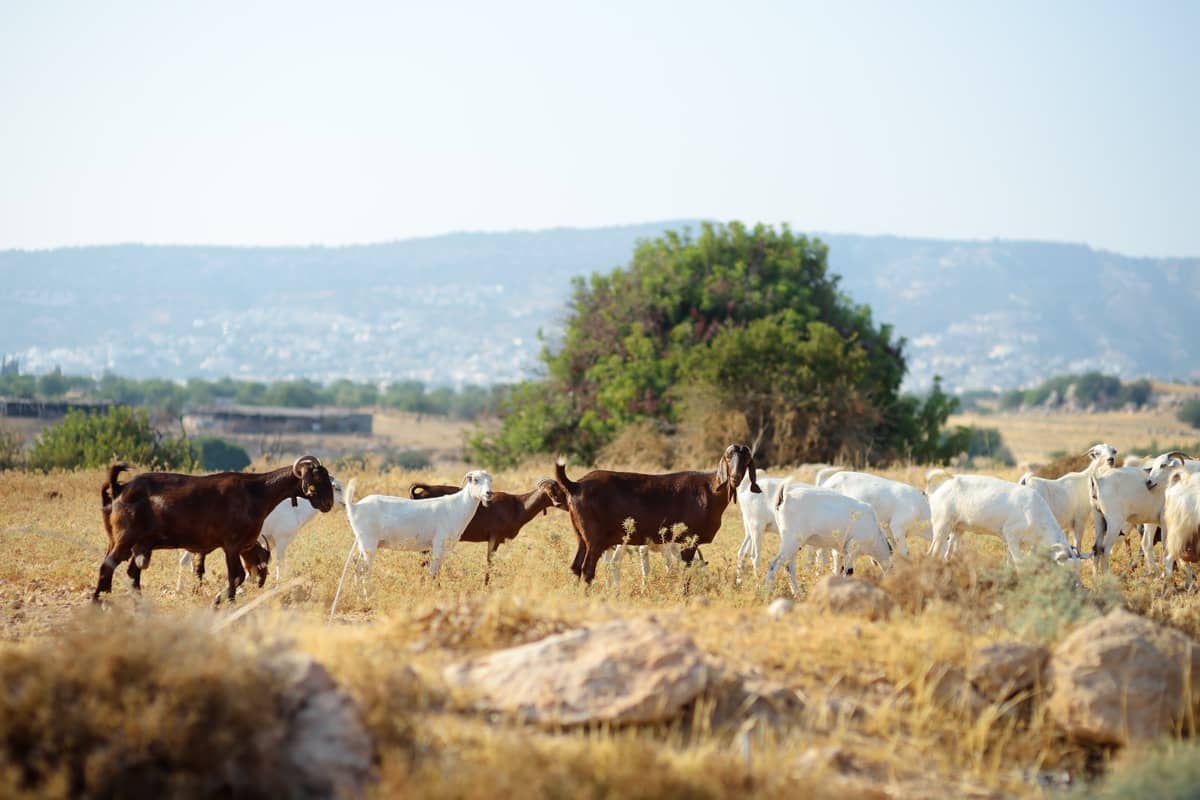
The main difference between Totapari goat farming and other goat-raising methods is that the animals can graze freely on open pastureland. They are not confined to small pens or stalls, and they are not given any supplemental feed. This makes Totapari goat farming a more natural and humane way to raise goats for meat. One of the benefits of Totapari goat farming is that it requires less land than other types of livestock production.
Key Rules to Follow When Beginning a Totapari Goat Farming
1. Do your research – Before getting started, it’s important to research and understand the business. There are many factors to consider, such as what type of goats you want to raise, what purpose they will serve, what kind of housing and pasture you will need, and how much money you are willing to invest.
2. Find a good location – The success of your farm will depend in part on its location. You will need to find a place with good grazing land and access to water. The climate should also be suitable for goats.
3. Build proper housing and fencing – Goats need shelter from the sun, wind, and rain. They also need pastureland that is fenced in so they cannot escape.
4. Get healthy stock – Buying healthy animals from reputable breeders is important. This will help ensure the success of your flock and avoid costly health problems down the road.
5. Know what to feed your goats – Proper nutrition is essential for healthy goats. They should have access to fresh grass or hay and a balanced diet of grains and minerals designed specifically for goats.
6. Keep your goats healthy – Regular check-ups by a veterinarian are a must, along with routine vaccinations and deworming treatments.
In case you missed it: Key Rules to Start Jamunapari Goat Farming: Requirements and Business Plan

Land Selection to Start a Totapari Goat Farming
- The best land for Totapari goat farming should have good water and grazing resources. The land should also be free of diseases and parasites.
- The farm should be situated in an area with good climatic conditions for goats. The temperature should not be too hot or too cold. There should also be enough rainfall.
- The soil on the farm should be suitable for growing grass and other plants that goats like to eat.
- There should be a reliable source of water on the farm, such as a well or borehole. Goats need to drink around 2-3 liters of water per day.
- The goats should have enough grass and other plants on the farm to graze on. Goats need around 1% of their body weight in dry matter daily.
Shed Construction to Start Totapari Goat Farming
Building a shed for your Totapari goats is an important part of setting up your farm. The shed will provide shelter from the elements and protection from predators. It is also a good place to keep feed and hay. There are a few points important when deciding the size and type of shed for your farm.
In case you missed it: Key Rules to Start Sirohi Goat Farming: Requirements and Business Plan
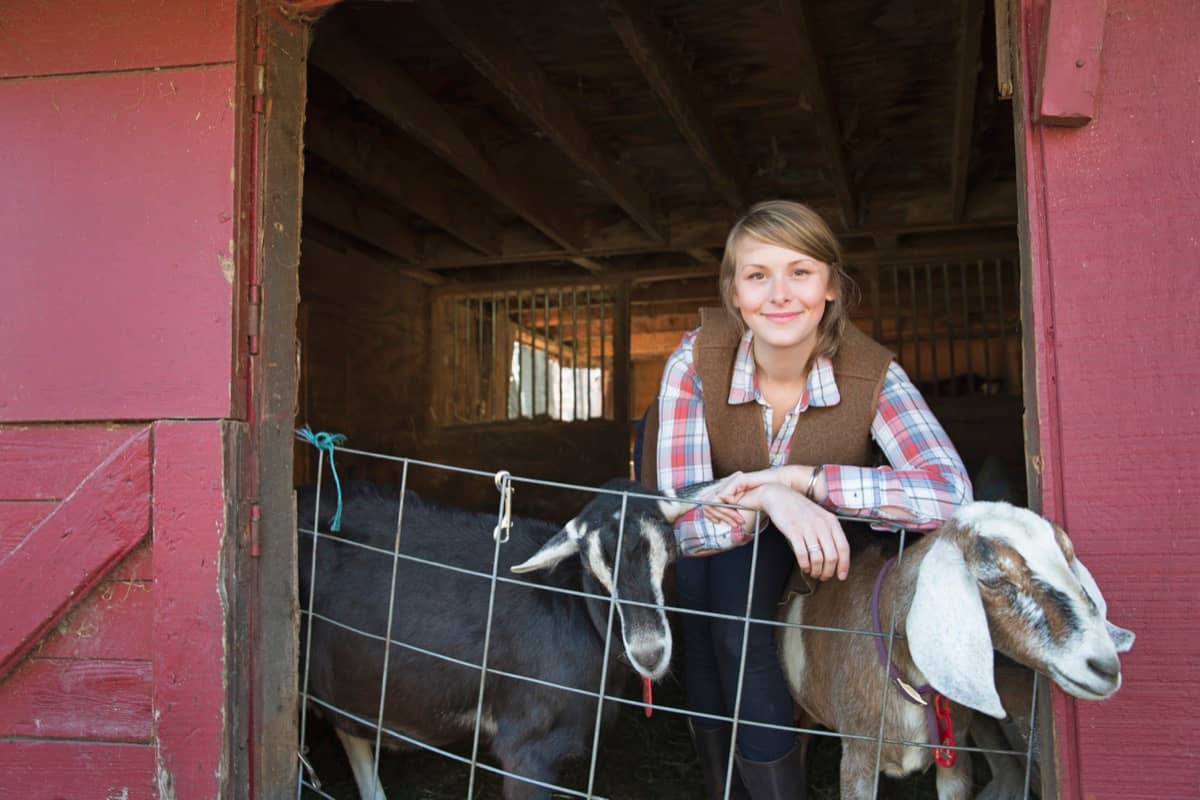
The first thing to consider is the climate. If you live in an area with extreme weather conditions, you must build a sturdier shed that can withstand high winds or heavy snowfall. You will also need to consider the number of goats you have. A small herd will need a smaller shed than a large herd.
The next thing to consider is the material you want to use to build your shed. Wood is the most common material, but metal sheds are becoming more popular because they are easier to maintain and last longer. Whichever material you choose, ensure it is sturdy enough to hold up against strong winds and predators.
Once you have decided on the shed size and type, it is time to start building. If you are not experienced in construction, it is best to hire someone who is. They can help you select the best materials and build a sturdy shed for years.
Things You Should Know Before Buying Goats
- Firstly, decide what type of goat you want. There are many different breeds of goats, each with its unique characteristics. Do some research and decide which breed is right for you.
- Next, consider where you will buy your goats. There are many different sources, including online retailers, livestock auctions, and local farmers. Compare prices and shipping costs before making a decision.
- Finally, make sure you are buying healthy animals. Goats should be free of parasites and diseases. Ask the seller about the health history of the goats and request veterinary records if possible.
Management Tips for Successful Totapari Goat Farming
1. Choose a good location: The first step to successful Totapari goat farming is a good location. The climate should suit the goats, and enough pasture land should be available.
2. Get healthy goats: Getting healthy Totapari goats from a reputable breeder is important. These goats are susceptible to certain diseases, so get them from a reliable source.
3. Provide proper shelter: Goats need a clean and dry place to sleep and rest. They also need protection from the elements, so provide them with a shelter that will keep them warm in winter and cool in summer.
4. Feed them well: Goats need a balanced diet of hay, grass, grains, and minerals. Make sure they have access to fresh water at all times. Feed your goats a high-quality diet. Goats are browsing animals, which means they prefer to eat leaves and stems over grasses or grains. Ensure you provide plenty of fresh browse for your goats to munch on throughout the day. You can supplement their diet with hay, pellets, or grain mixes for dairy goats.
5. Keep them healthy: Regular vet check-ups are essential for your goats. Be sure to vaccinate them against common diseases and deworm them regularly.
6. Provide plenty of fresh water: Goats are notorious for being messy drinkers, so having multiple water sources is important. If possible, choose a location for your water troughs that will allow the goats to stay cool in hot weather.
7. Keep your herd size manageable: Too many goats in one area can lead to problems with overcrowding and resource competition. Remember that each goat needs about 10-15 square feet of space when planning your pasture.
How to Farm the Totapari Goats?
Assuming you have the land and other infrastructure, there are key steps to successfully farming Totapari goats. Totapari goats are a special breed of goat found near the Himalayas. They are known for their large size and high milk production. Because of these qualities, they are well-suited for dairy goat farming.
To start, you will need to purchase some Totapari goats. It is best to start with a small herd of around ten goats. Once you have your goats, you must build or purchase housing for them. The housing should be sturdy and weatherproof, with plenty of space for the goats to move around. Next, you will need to create a grazing area for your goats. This can be mainly done by fencing off a section of pasture or land with grass. The grazing area should be large enough for the goats to roam freely and eat their fill.
It is also important to always provide your goats with fresh water. Goats are very thirsty animals and will drink up to 2 gallons of water per day per goat! A trough or water bucket placed in their grazing area is usually sufficient. Finally, it would help if you fed your goats a balanced diet of hay, grass, and grain. Grain is especially important for pregnant or lactating females, as it gives them the extra nutrients they need to produce milk.
In case you missed it: Key Rules to Start Barbari Goat Farming: Requirements and Business Plan
Tips for Successful Goat Farming
1. Do your research – Before you jump into goat farming, it’s important to research and learn as much as possible about the business. Many resources are available online and at your local library to help you get started.
2. Start small – When first starting, it’s best to start with a small herd of goats. This will give you a feel for the business and ensure you have the time and resources to care for them properly. You can add more goats to your herd as your goat business grows.
3. Choose the right breed – There are many different breeds of goats, so it’s important to choose the ones best suited for your climate and terrain. Talk to other goat farmers in your area to understand which breeds do well and which ones to avoid.
4. Build good fences – Goats are known for their escape tendencies, so you must build strong fences to keep them contained. Ensure your fences are tall enough and have no gaps or weak spots the goats could exploit. These goats are known for being escape artists, so ensure your fence is tall and secure.
5. Provide adequate shelter – Goats need a warm, dry place to sleep and protect them from the elements. Make sure you have enough space. Totapari goats need around 200 square feet per goat.
6. Provide plenty of fresh, clean water – Goats are messy drinkers who will quickly muddy their water supply if it’s not changed often enough.
7. Feed them a high-quality diet – Goats are browsers, not grazers, so their diet should be mostly hay and other roughage, with some grains and supplements mixed in.
8. Keep an eye on their health – Goats are susceptible to several diseases and parasites, so monitor their health closely and seek veterinary care when necessary.
How to Care for Totapari Goats
- Assuming you have already purchased your Totapari goats, there are some key things to remember regarding their care. First and foremost, like all animals, they need clean water and food. Check their water bucket or trough daily and refill as needed.
- As for food, you can either purchase goat feed from a store or grow your grass/hay for them to graze on. If you choose the latter, be mindful of what plants they can access, as some can be poisonous to goats.
- In terms of health, it’s important to watch for any signs of illness or injury. If you notice anything off with one of your goats, take them to the vet. Additionally, goats require routine hoof trimming and deworming.
Totapari Goat Feeding Tips for Getting More Production
- Always offer fresh, clean water. Goats are very susceptible to dehydration and must drink approximately 2-3% of their body weight daily.
- Provide a balanced diet of hay, pasture, and grain. Goats are grazing animals and always need access to good quality forage. They also enjoy browsing twigs, leaves, and other vegetation.
- Make sure to introduce new foods slowly. Sudden changes in diet can cause digestive upset in goats. When introducing new foods, do so gradually over a week or two.
- Don’t forget about minerals. Goats need a variety of minerals for proper health, including copper, zinc, and selenium. Offer a mineral block or loose minerals in a dish for your goats to consume as needed.
- Keep an eye on body condition score and milk production. These are good indicators of whether or not your goats receive the proper nutrition.
In case you missed it: Key Rules to Start Boer Goat Farming: Requirements and Basics
Conclusion
Totapari goats are a hardy breed well-suited to India’s hot, arid climate. They are also known for their high milk yield, making them an excellent choice for goat farming. Goats are relatively small animals, so that they can be kept on a smaller piece of property than cattle or pigs. This makes Totapari goat farms less expensive to set up and easier to maintain.
- Economical Aquaculture: A Guide to Low-Budget Fish Farming
- 15 Common Planting Errors That Can Doom Your Fruit Trees
- How to Make Houseplants Bushy: Effective Tips and Ideas
- Innovative Strategies for Boosting Coconut Pollination and Yield
- Pollination Strategies for Maximum Pumpkin Yield
- The Complete Guide to Chicken Fattening: Strategies for Maximum Growth
- Natural Solutions for Tulip Problems: 100% Effective Remedies for Leaf and Bulb-Related Issues
- Revolutionizing Citrus Preservation: Towards a Healthier, Greener Future
- Natural Solutions for Peony Leaf and Flower Problems: 100% Effective Remedies
- Maximizing Profits with Avocado Contract Farming in India: A Comprehensive Guide
- Natural Solutions for Hydrangea Problems: 100% Effective Remedies for Leaf and Flowers
- The Ultimate Guide to Choosing the Perfect Foliage Friend: Bringing Life Indoors
- From Sunlight to Sustainability: 15 Ways to Use Solar Technology in Agriculture
- The Ultimate Guide to Dong Tao Chicken: Exploring from History to Raising
- The Eco-Friendly Makeover: How to Convert Your Unused Swimming Pool into a Fish Pond
- Mastering the Art of Delaware Chicken Farming: Essentials for Healthy Backyard Flocks
- 20 Best Homemade Fertilizers for Money Plant: DIY Recipes and Application Methods
- How to Craft a Comprehensive Free-Range Chicken Farming Business Plan
- Brighten Your Flock: Raising Easter Egger Chickens for Beauty and Bounty
- How to Optimize Your Poultry Egg Farm Business Plan with These Strategies
- Subsidy for Spirulina Cultivation: How Indian Government Schemes Encouraging Spirulina Farmers
- Ultimate Guide to Raising Dominique Chickens: Breeding, Feeding, Egg-Production, and Care
- Mastering the Art of Raising Jersey Giant Chickens: Care, Feeding, and More
- Ultimate Guide to Raising Legbar Chickens: Breeding, Farming Practices, Diet, Egg-Production
- How to Raise Welsummer Chickens: A Comprehensive Guide for Beginners
- How to Protect Indoor Plants in Winter: A Comprehensive Guide
- Ultimate Guide to Grow Bag Gardening: Tips, Tricks, and Planting Ideas for Urban Gardeners
- Guide to Lotus Cultivation: How to Propagate, Plant, Grow, Care, Cost, and Profit
- Agriculture Drone Subsidy Scheme: Government Kisan Subsidy, License, and How to Apply Online
- Ultimate Guide to Raising Araucana Chickens: Breed Profile, Farming Economics, Diet, and Care
- Bringing Hydroponics to Classroom: Importance, Benefits of Learning for School Students
- Ultimate Guide to Raising Polish Chickens: Breed Profile, Farming Economics, Diet, and Care
- Ultimate Guide to Raising Australorp Chickens: Profile, Farming Economics, Egg Production, Diet, and Care
- Silkie Chicken Farming: Raising Practices, Varieties, Egg Production, Diet, and Care
- Sussex Chicken Farming: Raising Practices, Varieties, Egg Production, Diet and Care
- Homemade Feed Formulations for Livestock: Discover Cost-effective Starter to Finisher Feed Recipes