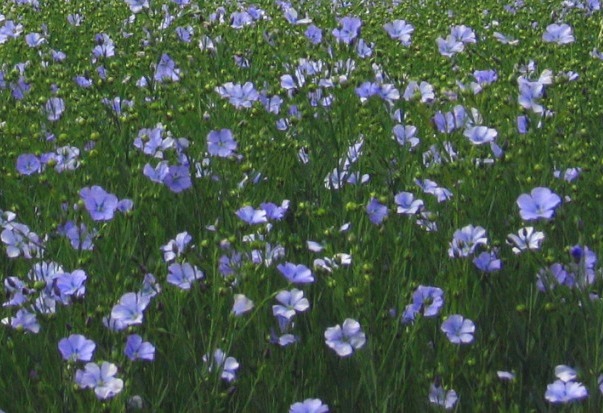
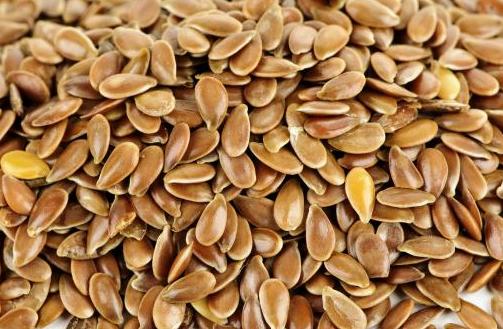
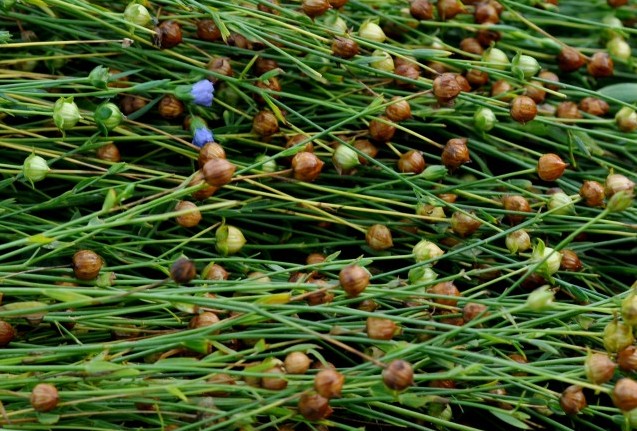
Flax, commonly referred to as common Flax or linseed, is an intriguing flowering plant that holds a special place in the Linaceae family. This versatile plant, scientifically known as Linum usitatissimum, has been cultivated for centuries for its various uses and benefits. Flax seed farming holds significant importance in the agricultural industry due to its versatile uses and nutritional benefits.

Understanding the Flax Plant Varieties
Some common varieties include Linum usitatissimum (common Flax), Linum grandiflorum (red Flax), and Linum perenne (perennial Flax). Each Flax variety has unique characteristics in terms of growth habits, flower color, and seed production. Linum usitatissimum is the most widely cultivated species for commercial purposes due to its high seed yield and oil content. On the other hand, Linum grandiflorum is known for its vibrant red flowers that add a pop of color to any garden or field. Additionally, perennial Flax (Linum perenne) is often grown as an ornamental plant for landscaping purposes.
Climate and Soil Requirements for Flax Cultivation
When it comes to soil pH, Flax plants prefer slightly acidic to neutral conditions between 6.5 and 7.5. This range ensures optimal nutrient uptake and overall plant health. It is important to test the soil pH level before planting Flax seeds to make any necessary adjustments. If the selected soil is too acidic, lime can be added to increase pH levels, while sulfur can be used to lower pH if it’s too alkaline. Maintaining the right soil pH level creates a conducive environment for Flax plants’ root development and nutrient absorption. With proper attention to this aspect of cultivation, farmers can set their crops up for success from the very beginning of the growing season.
Preparing Your Land for Flax Seed Farming
Preparing your land is crucial for a successful harvest before starting Flax seed farming. Start by clearing the field of debris or weeds to create a clean canvas for planting. Ensure that the soil has good fertility levels to support healthy plant growth. Perform soil tests to find its pH levels and nutrient content, making necessary adjustments based on the results.
In case you missed it: Flaxseed Germination, Temperature, Process (Linseed)

Adequate sunlight exposure is also essential for Flax plants, so choose a location with sufficient light throughout the day. Consider using organic matter to enrich the soil and promote nutrient absorption by the Flax plants. Land preparation sets the foundation for a bountiful Flax seed harvest in the future.
Selecting High-Quality Flax Seeds
Firstly, ensure that the seeds you choose are certified and sourced from reputable suppliers. This guarantees their authenticity and quality. Look for Flax seeds that are plump, uniform in size, and shiny. Avoid seeds that appear dull or discolored, as they may indicate poor quality or age. Additionally, conducting a germination test can help determine the viability of the seeds before planting them.
Consider the specific variety of Flax seeds you want to cultivate based on your soil type and climate conditions. Different varieties thrive under different environments, so choosing the right one is crucial for optimal growth and yield. Make sure to check the expiration date on the seed packaging to ensure they are fresh and viable for planting. Investing in high-quality Flax seeds is essential for a successful farming endeavor with bountiful harvests in the future.
Planting Techniques for Optimal Growth
Farmers can choose various methods based on their preferences and resources. The common technique is broadcasting, where seeds are scattered evenly across the soil surface by hand or using a mechanical spreader. This method allows for good seed-to-soil contact but may result in uneven germination. Another method is drilling, which involves using a seed drill to plant seeds at specific depths and spacing. This technique ensures more uniformity in plant distribution and helps conserve seeds compared to broadcasting.
On the other hand, precision planting involves using advanced equipment to place each seed at the desired depth and spacing precisely. Next, select high-quality Flax seeds from a reputable supplier to guarantee healthy plant development. Plant the Flax seeds at the recommended depth and spacing in rows or broadcasting evenly across the field. Regularly inspect your crops for weeds and implement effective control measures when necessary.
Watering and Irrigation Best Practices
To ensure optimal growth, it’s essential to provide the right amount of water at the right time. Adequate watering helps in germination, root establishment, and overall plant health. Drip irrigation or soaker hoses can be efficient in delivering water to the plant roots while minimizing evaporation. When determining your watering frequency, consider factors like weather conditions, soil type, and plant growth stage.
In case you missed it: Chia Seeds Cultivation (Sabja), Farming Practices

Nutrient Management: Fertilizers and Soil Amendments
Fertilizers and soil amendments play a key role in ensuring that your Flax plants receive the necessary nutrients to thrive. When it comes to fertilizers, opt for those rich in nitrogen, phosphorus, and potassium – essential elements for healthy plant growth. Soil testing can help determine your land’s specific nutrient requirements, allowing you to customize your fertilizer application accordingly. Organic options like compost or manure can also enhance soil health and fertility without harmful chemicals. Consider incorporating beneficial soil amendments such as lime or gypsum to adjust pH levels and improve nutrient availability for your Flax crop.
Pest and Disease Management in Flax Farming
Some common pests that can affect Flax plants include aphids, caterpillars, and grasshoppers. These Flax plant pests can damage the leaves and stems if not managed properly. Powdery mildew, fusarium wilt, and root rot diseases can also threaten your Flax crop. It’s important to inspect your Flax plants for any signs of disease so you can take action promptly.
Implementing integrated pest management practices is key to controlling pests and diseases on your Flax farm. This approach focuses on prevention strategies like crop rotation, using resistant varieties, and maintaining proper spacing between plants to reduce the risk of infestation. By staying vigilant and taking proactive measures against pests and diseases, you can get a healthy crop of Flax seeds at harvest time.
Weed Control Strategies for Flax Crops
Implementing cultural practices like crop rotation, which helps break the weed cycle, is an effective strategy. Another method is hand weeding, where manual removal of weeds can prevent competition for nutrients and sunlight. Utilizing mulching techniques can also suppress weed growth by creating a barrier on the soil surface. Additionally, using cover crops can help smother weeds while enhancing soil health.
In case you missed it: Sunflower Seed Germination, Time, Temperature, Process

Applying herbicides selectively and at the right time can target specific weed species without harming the Flax crop. Regular monitoring of fields for early detection of weeds is essential to address issues promptly. Integrating multiple strategies tailored to your farm’s needs can effectively control weeds in Flax crops.
Growth Stages of Flax Plants: What to Expect
Understanding the growth stages of Flax plants is crucial for a successful harvest as a Flax seed farmer. In the initial stage, your seeds will germinate within 7-10 days after planting. Small green shoots will start emerging from the soil, indicating the beginning of plant growth. During the vegetative stage, your Flax plants will focus on leaf development and stem elongation. The leaves will become more prominent as the plant matures, and it will establish a strong root system to support its growth.
Next comes the flowering stage, when beautiful blue flowers bloom on your Flax plants. These flowers attract pollinators, which are essential for seed production. In the ripening stage, you’ll notice browning of lower leaves, signaling that your Flax seeds are maturing. This is when you should start preparing for harvest by monitoring seed color change and drying conditions.
Harvesting Flax Seeds: Timing and Techniques
Flax plants are harvested when the lower leaves turn yellow and the seeds begin to darken. This usually occurs around 90-110 days after planting. To harvest Flax seeds, you can either pull up the entire plant or use a sickle to cut just below the seed pods. It’s important to handle the plants carefully to avoid shattering the seeds prematurely.
After harvesting, allow the Flax plants to dry in a well-ventilated area for about two weeks. Once dry, threshing can be done by gently beating or rolling over the dried plants to release the seeds. Winnowing, using a gentle breeze or fan, is then used to separate the seeds from any remaining plant debris. The harvested Flax seeds can now be stored in a dry place until further processing or consumption.
Post-Harvest Processing of Flax Seeds
After the hard work of cultivating and harvesting Flax seeds, it’s essential to focus on post-harvest processing to ensure top-quality products. The first step is drying the seeds thoroughly to prevent mold and maintain their nutritional value. Once dried, the seeds can be cleaned to remove any impurities or debris. Processing Flax seeds involves removing the outer shell or hull before storage or consumption. This can be done using various methods, such as crushing, rolling, or even grinding. Some farmers opt for cold pressing the seeds to extract oil for various purposes.
In case you missed it: Seed Rate Per Acre in India: Exploring Seeds Per Acre for Different Crops

Proper storage is important in maintaining the Flax seed quality. They should be stored in a cool, dry place, away from sunlight and moisture. Additionally, labeling containers with harvest dates can help keep track of seed freshness. Post-harvest processing plays a vital role in maximizing Flax seeds’ benefits while ensuring their safety for consumption.
Storage Solutions for Flax Seed Preservation
Keeping Flax seeds in a cool, dry place is essential to maintaining freshness and preventing spoilage. To keep moisture out and ensure longevity, choose airtight containers like glass jars or sealed bags. Avoid exposing Flax seeds to heat or sunlight, as these elements can cause them to go rancid quickly. Additionally, storing them away from strong odors will help maintain their natural flavor and aroma.
Label containers with the storage date to track freshness accurately. For extended shelf life, consider refrigerating or freezing your Flax seeds. Freezing can prolong their viability for up to a year while maintaining their nutritional value. Just be sure to thaw them at room temperature before use for best results.
Tips to Get More Flax Seed Yield
First, ensure proper spacing when planting your Flax seeds. Adequate distance between plants allows for better airflow and sunlight exposure, leading to healthier growth. Consider rotating your crops to prevent soil depletion and reduce the risk of disease buildup. This practice can help maintain optimal conditions for Flax cultivation. Additionally, implementing a regular watering schedule is crucial for promoting consistent growth and development. Flax plants thrive in moist but well-drained soil.
Furthermore, monitor nutrient levels in the soil regularly and adjust fertilization accordingly. Balanced nutrients support robust plant growth and higher seed yields. Watch pest and disease management to protect your crop from potential threats that could hinder yield potential. By following these tips diligently, you can increase your Flax seed yield effectively.
Organic Flax Seed Farming: Practices
Organic Flax seed farming focuses on sustainable practices that respect the environment and promote natural growth. By avoiding synthetic fertilizers, organic farmers prioritize soil health and biodiversity. Crop rotation is a major practice in organic Flax farming to prevent diseases and maintain nutrient balance in the soil.
In case you missed it: How to Identify Fake Seeds: Key Differences Between Real and Counterfeit Seeds

Using natural methods like composting and cover cropping helps enrich the soil with essential nutrients for healthy Flax plant growth. Incorporating beneficial insects for pest control instead of chemical treatments is another hallmark of organic Flax seed farming. Weed management in organic farming often involves manual removal or mulching to suppress weed growth without resorting to herbicides.
Common Challenges and Solutions in Flax Farming
The common challenge in Flax farming is managing plant pests and diseases that can impact crop yield. Pests like aphids and cutworms, as well as diseases such as powdery mildew, can impact Flax plants. To combat this, implementing integrated pest management strategies is crucial for sustainable cultivation. Another challenge farmers face is weed control in Flax fields. Weeds compete with the crop for sunlight, reducing yield potential. Utilizing mulching techniques or employing mechanical methods like hoeing can help keep weeds at bay without relying heavily on herbicides.
Additionally, fluctuating weather conditions can pose a challenge to Flax farmers. From excessive rainfall leading to waterlogged soil to drought conditions affecting plant growth, adapting irrigation practices accordingly is essential for successful harvests. Flax cultivation plays a vital role in promoting sustainable farming practices. It requires less water than other crops, making it an environmentally friendly option for farmers looking to conserve water resources. By applying these tips, you can overcome common challenges that may arise in Flax farming and maximize your yield.
- When to Plant Potatoes in Texas (Without Wasting a Single Seed): Zone-by-Zone Timing That Actually Works
- Growing Vegetables on a Phoenix Apartment Balcony: What Survived 110°F Summers (And What I Quit Planting After July 2024)
- Growing Vegetables on Los Angeles Apartment Balconies: What Works After Three Years of Trial, Error, and Scorched Basil
- How to Grow Vegetables in Containers on NYC Apartment Balconies
- How to Grow Strawberries in Raised Beds: USA Zone-by-Zone Planting Guide
- When to Plant Marigolds in Florida: Your Zone-by-Zone Guide with Heat-Smart Tips
- Which High-Profit Crops Actually Make Sense for Your Operation?
- Why Is My Cucumber Plant Flowering But Not Producing Fruit? (And How I Fixed It in a 10 Sq Ft Balcony)
- Why Are My Tulsi Leaves Turning Yellow and Falling Off? (Natural Fixes That Actually Work)
- A Mini Excavator’s Value Isn’t the Machine; It’s the Mini Excavator Attachments
- Why Are My Brinjal Leaves Curling in Pots? (Yes, Eggplant Too — Here’s How I Fixed It)
- My mint leaves turning yellow and black. What Went Wrong with Pudina?
- My Curry Leaves Are Turning Yellow – Here’s What I Figured Out with Kadi Patta (And Fixed!)
- Coriander leaves turning yellow and wilting. Here’s What’s Going Wrong
- Is Potting Soil the Same as Garden Soil? Here’s What I Learned the Hard Way
- How to Grow Hazelnuts from Seed: A Step-by-Step Guide for Beginners
- Best Pot Size for Vegetables (India Guide for Pots & Grow Bags)
- Best Soil for Cucumbers in Pots: My Foolproof Mix (and Mistakes to Avoid)
- Growing Chrysanthemums in Pots: Complete Care Guide for Indian Home Gardeners
- Best Time to Plant Okra: Sow Seeds Right for Crisp Bhindi All Summer
- How to Keep Your Gardening Equipment Clean and Ready for Spring
- How Often to Water Rose Plants in Pots: A Season-by-Season Guide for Indian Gardeners
- Trusted Place to Buy Farm Trailers for Heavy-Duty Hauling
- How Can I Reduce Equipment Downtime During Planting Season?
- Where to Keep Money Plant at Home for Luck & Growth: Vastu Tips That Actually Work in Indian Flats
- DIY Hydroponic Terrace Garden: Setup, Cost, Ideas and Plans
- How to Grow Oregano at Home: Easy Step-by-Step Guide for Pots, Indoors & Balconies
- Reusing Old Potting Mix in Containers: Safe, Natural Soil Refresh Methods for Balcony and Terrace Gardens in India
- Balcony Plants Dying in Indian Apartments? Fix Pot, Sun, Water & Soil Mistakes Fast
- How to Grow Bitter Gourd in Pots at Home: Perfect for Indian Apartment Balconies
- How to Grow Green Beans in Pots: Perfect for Indian Apartment Balconies
- How to Grow Brinjal in Balcony Pots: Fast-Fruiting Eggplant Method for Apartments
- How to Make Soil for Aloe Vera Plant at Home: Fast-Draining & No Cactus Mix
- How to Grow Watermelon in Pots at Home in India: Easy Guide for Terraces & Balconies
- How a Bengaluru Housewife Turned a 10×10 Balcony into a Full Organic Kitchen Garden
- Balcony Okra Gardening: How a Chennai Woman Grew More Than 120 KG of Okra in a Small Apartment Space
I need to know can i start this in Himachal Pradesh, if yes which district or region is best.
This is a wonderful agro product, where oil, recipes and yarn can be made out of a plant.
In which part of Madhya Pradesh, flax farming is happening..
where i got alasi seeds for cultivation.
can it be cultivated in chennai where the temperature is bet 30 to 35 .c does it water supply through out
Can I start farming in Kenya
I want to start Tisi crop farming in Ramgarh Jharkhand plz guide me
Can I grow it Rajasthan Jodhpur
Can flaxseed be cultivated in Manipur, a North East State of India?
Will the field be water-fed as prepared in rice cultivation? Where the seeds for cultivation are available in India?