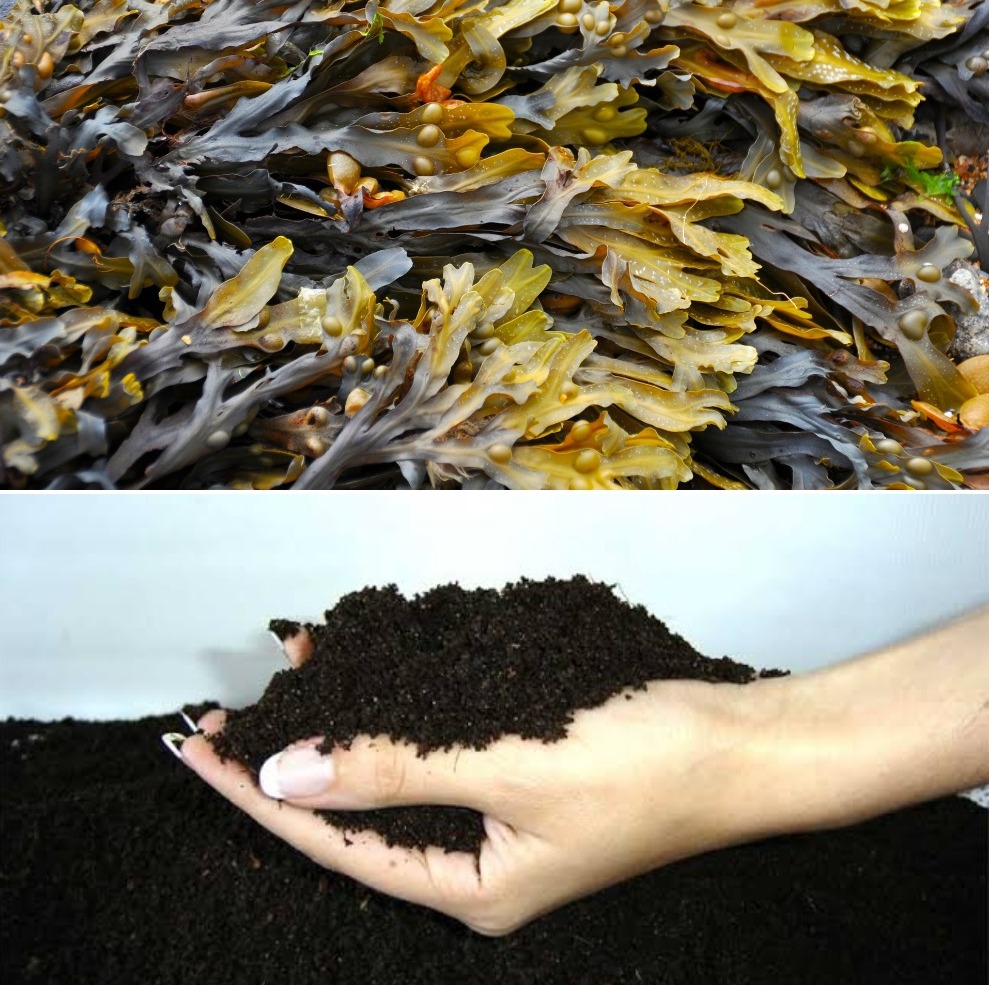
How to Make Seaweed Fertilizer: 15 DIY Natural and Organic Recipes for Houseplants

Gardeners can enhance their soil with organic nutrients by using seaweed fertilizer, which is derived from saltwater kelp. This chemical-free, naturally occurring solution promotes robust plant growth thanks to its abundance of trace minerals. By combining dried seaweed with fresh kelp from the beach, gardeners may create a sustainable and ecologically beneficial diet. The process is simple enough that even a novice grower may do it using techniques like cold infusion or fermentation. Seaweed contains natural hormones, like auxins, that encourage the development of roots and flowers in plants, including houseplants and tomatoes. Because of its versatility, it enhances soil fertility and is suitable for use with a wide range of plants, from culinary to ornamental. To improve your garden’s organic health, follow this advice on how to create and apply fertilizer based on seaweed.

Obtaining seaweed in a sustainable manner is the initial stage in producing your own organic seaweed fertilizer. Beachcombers often collect storm-cast seaweed to preserve marine habitats. While commercial fertilizers can degrade soil quality, seaweed provides a balanced nutrient profile that includes potassium and nitrogen. Gardeners can avoid harmful toxins by managing the process. Seaweed can be prepared in various ways to meet the needs of plants, including drying and crushing it into powder or fermenting it to create a liquid fertilizer. The nutrient-rich solutions guaranteed by these methods lead to measurable benefits, such as stronger roots and vibrant blossoms, and are ideal for indoor plants, vegetable gardens, or potted plants.

Fertilizing with seaweed makes cacti, succulents, and citrus trees much hardier. Through foliar spray fertilizer or root drench, seaweed provides plants with direct access to nutrients, enhancing their drought resistance and chlorophyll production. Seaweed and compost tea mix and seaweed and fish emulsion fertilizer are two examples of the kinds of recipes that gardeners adapt for different crops. Homemade seaweed fertilizer is within the reach of even the most inexperienced gardeners with the aid of these 15 simple steps. You may use these methods to transform your garden into a lush, green sanctuary in no time. What are we waiting for? Let’s discover how to make seaweed fertilizer and apply it to houseplants.

15 Easy DIY Seaweed Fertilizer Recipes for Healthy, Organic Houseplants

Collect Fresh Kelp from the Beach for Fertilizer Creation

Careful collection of beach-fresh kelp is an important first step. Visiting local shores after storms is a wonderful way to discover storm-cast seaweed, which has washed ashore naturally and has reduced ecological damage. Avoid eating spoiled or diseased kelp, and instead go for fresh, vigorous varieties. Always check the regulations in your area before collecting seaweed; certain areas have bans in place to protect marine ecosystems. With a bucket and some gloves, collect a lot of seaweed for your own organic fertilizer. Remove any debris, salt, or sand from the kelp by rinsing it thoroughly with fresh water to prevent the invasion of invasive species. Make sure you have a clean base before fermenting seaweed for liquid plant fertilizer or any other recipe that calls for it.

How to Make Seaweed Fertilizer.

While protecting coastal habitats, sustainable harvesting produces material rich in nutrients. Due to its high concentrations of trace minerals, such as iodine and magnesium, storm-cast seaweed is ideal for nutrient-rich seaweed tea fertilizer. Rinse kelp well and then store it in a cool, shaded place to keep it fresh. Don’t harvest more than you’ll need for making a fertilizer with seaweed and fish emulsion or tomatoes. This method aids in the preservation of beach health over the long run. Anyone may manufacture their own seaweed fertilizer using seaweed snacks or dried bladderwrack as an alternative for gardeners without access to the water.

Effective fertilizer manufacturing begins with thorough preparation. By filtering out low-quality material, kelp sorting enhances the performance of indoor plants and food gardens. Put the seaweed in a permeable mesh bag to prevent it from spoiling during transportation. Useful recipes that call for this kind of careful collection include cold-infused seaweed fertilizer and fermentation of seaweed and molasses. Start with clean, sustainably generated kelp to develop a foundation for vibrant, healthy plants. Whether you’re growing edible crops, ornamental plants, or citrus trees, a sustainable garden system has you covered.

StepsActionPurpose
1Visit shores after stormsCollect storm-cast seaweed
2Check local regulationsEnsure legal harvesting
3Use bucket and glovesSafe and efficient collection
4Rinse with fresh waterRemove debris, salt, sand
5Store in cool, shaded placeMaintain freshness
6Sort kelpFilter low-quality material
7Use permeable mesh bagPrevent spoiling during transport

Rinse and Clean Seaweed Thoroughly to Remove Salt and Debris

By washing the seaweed, you can be sure that your homemade seaweed fertilizer has a pure basis. Soak young beach kelp in a large bucket of fresh water to protect strawberries and other plants that are susceptible to salt. Removing sand and small animals from the kelp is as easy as gently stirring it. Make sure to repeat the process twice or three times to ensure no residue remains. This ensures that the fermented liquid plant fertilizer made from seaweed is free of contaminants. Before applying seaweed fertilizer to succulents, be sure to rinse the soil well to avoid salt buildup, which can damage the plants’ delicate roots. If seaweed is clean, plants can absorb more of its nutrients.

The soil and plants are protected when salt is eliminated. In particular, indoor herbs and potted plants are vulnerable to soil microbiology disturbances caused by storm-cast seaweed’s high salt. Use cheesecloth or a fine mesh strainer to catch debris while rinsing the nutrient-rich seaweed tea fertilizer so it stays clear. Another important consideration for food crops is the procedure’s ability to reduce the likelihood of invasive species introduction. Seaweed and fish emulsion fertilizer is a powerful and safe product for vegetable crops, and gardeners may make it even better using clean kelp. This is because it increases the effectiveness of nutrient extraction and fermentation.

After cleaning, check the seaweed for any remaining pollutants. Prepare the Sargassum seaweed for fermentation or drying and grinding into powder by patting it dry with a clean cloth. This procedure ensures that recipes, such as the seaweed and compost tea blend, contain balanced nutrients by ensuring purity. To protect tomato and citrus tree leaves from burning, use clean kelp when spraying foliar fertilizer. Thorough preparation yields a trustworthy, high-quality fertilizer that boosts chlorophyll production and overall plant health in various garden types.

StepsActionPurpose
1Soak kelp in fresh waterRemove salt
2Gently stirRemove sand and small animals
3Rinse multiple timesEnsure no residue remains
4Use cheesecloth or mesh strainerCatch debris for clear fertilizer
5Pat dry with clean clothPrepare for fermentation or drying
6Check for pollutantsEnsure purity

Chop Seaweed into Small Pieces for Faster Nutrient Extraction

Cutting fresh kelp from the beach releases nutrients more quickly for seaweed fertilizer production at home. Use a sharp knife or kitchen shears to chop the seaweed into 1-inch pieces. This will improve the surface area for fermentation into liquid plant fertilizer. Miniature pieces break down at a faster rate, releasing growth hormones and cytokinins that are ideal for seedling development. Seaweed and fish emulsion fertilizer, cold-infused seaweed fertilizer, and other similar methods are compatible with this step, which guarantees efficient nutrient extraction. Strong fruit production is encouraged by adding chopped kelp to liquid applications of seaweed-based tomato fertilizer.

Miniature seaweed bits enhance the infusion and fermentation processes. Anaerobic digestion in sealed jars speeds up breakdown, and chopping ensures uniform microbial activity for do-it-yourself seaweed and molasses fermentation. This method expedites the fermentation process, which yields indoor plants nutrient-rich seaweed tea fertilizer more quickly. For foliar spray fertilizer, gardeners can liquefy seaweed in a blender to make a fine slurry with chopped kelp, which mixes more evenly. Additionally, this approach ensures a smooth end result and eliminates blockages by utilizing layers of cheesecloth to separate fermented seaweed liquid.

How to Make Homemade Seaweed fertilizer

Chopping enhances the flexibility of fertilizer formulations. A seaweed-based fertilizer is ideal for succulents, and smaller pieces blend well with other ingredients like worm castings and comfrey in compost tea mixes. By increasing the availability of nutrients for edible crops, this procedure reduces waste. Indoor plants and herbs can benefit from a slow-release granular seaweed fertilizer that contains chopped seaweed, which ensures a consistent supply of nutrients. Properly prepared seaweed encourages vibrant development with little effort, allowing gardeners to enhance output and make potent fertilizers for citrus trees, ornamental plants, or hydroponic systems.

StepsActionPurpose
1Chop seaweed into 1-inch piecesIncrease surface area
2Use sharp knife or shearsEnsure clean cuts
3Liquefy in blender (optional)Create fine slurry for foliar spray
4Use cheesecloth to separatePrevent blockages in sprayers
5Combine with other ingredientsEnhance compost tea mixes

Ferment Seaweed in a Bucket for Nutrient-Rich Liquid Fertilizer

By fermenting seaweed into a liquid fertilizer, fresh kelp harvested from the shore becomes a potent plant food. Add the chopped seaweed to a bucket and fill it up with water at a ratio of 1:2. Activate the microbes by adding a spoonful of molasses to start the fermentation process. Anaerobic digestion in sealed jars produces fewer unpleasant odors if the bucket is covered to create an oxygen-free environment. After two weeks of daily stirring, the bacteria will have transformed the seaweed into a nutrient-rich liquid perfect for vegetable gardens. This method is safe for consumption because it provides essential minerals to crops naturally, without the need for synthetic additives.

Fermentation makes more nutrients available for plants. Seaweed fertilizer is ideal for tomato and citrus plants since it releases growth hormones and minerals while it works. Fermented juice, once pasteurized, eliminates potential pathogens that could harm houseplants. Adding rice water increases fermentation efficiency and enhances microbial activity, resulting in a potent, nutrient-rich seaweed tea fertilizer. Plants can produce more chlorophyll and vibrant foliage with the help of foliar spray fertilizers like this liquid. Fertilizers that consist of seaweed and fish emulsion are effective when used with the sealed bucket method, which creates a synergistic effect of nutrients.

Filter the liquid through layers of cheesecloth after fermentation to remove any particles, resulting in a clean solution suitable for potted plants or hydroponic systems. Store in glass carboys for extended periods to ensure shelf stability. This fertilizer is excellent for beautiful plants since it increases flowering and is drought resistant, which is ideal for succulents and cacti. Seaweed fertilizer that doesn’t smell can benefit from regular stirring because it keeps unpleasant odors at bay. Fermenting seaweed allows gardeners to make a renewable, multi-use product that boosts soil fertility and plant health.

StepsActionPurpose
1Add chopped seaweed to bucketPrepare for fermentation
2Fill with water (1:2 ratio)Create liquid base
3Add spoonful of molassesActivate microbes
4Cover bucketCreate anaerobic environment
5Stir daily for two weeksEnsure even fermentation
6Filter through cheeseclothRemove particles
7Store in glass carboysEnsure shelf stability

Dry and Grind Seaweed into Powder for Versatile Garden Use

An edible and long-lasting fertilizer for gardens and houseplants, seaweed is dried and processed into a powder. Lay out the newly collected kelp on a clean, well-ventilated surface, away from direct sunlight. An alternate method that accelerates the drying process without sacrificing nutrients is to prepare the seaweed in a food dehydrator. After the seaweed has dried fully, crush it into a powder using a pestle and mortar or a coffee grinder. When used with slow-release granular seaweed fertilizer, this powder provides continuous nutrition for indoor herb plants and culinary crops without the mess of liquid fertilizers.

Seaweed powder offers gardeners many options. Add it to soil to make a seaweed and compost tea blend, or sprinkle it on citrus plants for long-term nutrition. This seaweed fertilizer is ideal for ornamental plants and succulents due to its thin texture, which ensures uniform nutrient delivery. Drying is the best method to manufacture seaweed fertilizer without any unpleasant smell. This approach is in contrast to fermenting seaweed, which results in a liquid fertilizer. Powdered seaweed contains trace minerals that encourage root development in salt-sensitive plants like strawberries without causing the seedlings to accumulate salt.

Seaweed powder fertilizer

Seaweed powder is best kept in airtight containers to maintain its potency. For those who prefer to do it themselves, this variety is ideal for accelerating the composting of seaweed and banana peels because it boosts soil microbial activity. Whether used alone or mixed with wood ash, it provides a potassium boost to garden feed, which is beneficial for blooming plants. Gently mist houseplants to avoid fertilizing them too much. In addition, when used with a combination of seaweed and worm castings, the powder improves the soil for vegetable plants. This method ensures a fertilizer that lasts, is user-friendly, is adaptable to different plants and gardening styles, and promotes continuous growth.

StepsActionPurpose
1Lay kelp on ventilated surfaceDry without nutrient loss
2Use food dehydrator (optional)Speed up drying
3Crush into powderCreate versatile fertilizer
4Store in airtight containersMaintain potency
5Mix with soil or compostEnhance nutrient delivery

Blend Seaweed with a Blender for Fast-Acting Liquid Nutrients

Blending seaweed into a liquid form makes it a fast and nutrient-rich fertilizer for edible crops. Make a fine slurry by combining 1 part water and 3 parts fresh beach kelp. This method is ideal for indoor plants and vegetable gardens that need fast-acting organic plant nutrients, as it eliminates them efficiently. Remove any particles from the mixture by straining it through cheesecloth or a fine mesh strainer; this procedure will make the foliar spray fertilizer liquid smoother. Tomato fertilizer made of seaweed is an excellent choice for this strategy since it promotes fruit growth by supplying nutrients immediately.

Blending maximizes nutrient release without necessitating an extended fermentation period. The slurry, which is rich in growth hormones, encourages ornamental plants to produce more chlorophyll and helps seedlings thrive. For better fertilizer uptake by citrus trees, spray their roots with this. Unlike fermenting seaweed for liquid plant fertilizer, which takes time, blending is ideal for immediate plant needs because it doesn’t. To stabilize the mixture and make it safe for salt-sensitive plants, add pH-balanced apple cider vinegar. This method is also useful for fertilizers made of seaweed and fish emulsion, which work together to provide a synergistic effect of nutrients.

After mixing, dilute the liquid for safe use. Apply to plants in containers or hydroponic systems to promote quick growth. The uniform distribution is guaranteed by the fine consistency, which keeps foliar feed pump sprayers from becoming jammed. Indoor herbs benefit from this fast-acting remedy for stress recovery. Gardeners store surplus in glass carboys to maintain potency for an extended period of time. Users can easily improve the condition of cacti, succulents, and flowering plants by combining seaweed to create a versatile and quick fertilizer.

StepsActionPurpose
1Blend 1 part water, 3 parts kelpCreate fine slurry
2Strain through cheeseclothRemove particles
3Add apple cider vinegar (optional)Stabilize pH
4Dilute liquidEnsure safe application
5Store in glass carboysMaintain potency

Seaweed and Compost Tea Blend for Robust Root Growth

If you want your vegetable plants to have stronger roots, try making a tea mix with some seaweed and compost. Combine one part fresh beach kelp with one part mature compost in a pail. Steep it for at least 48 hours, stirring occasionally, after covering it with water. Utilizing nutrients extracted from seaweed and compost, this infusion creates a liquid that is rich in nutrients, ideal for use with consumable crops. Straining the mixture through cheesecloth creates a transparent solution that is ideal for use as a root drench in container plants. Incorporating seaweed-based tomato fertilizer into this blend promotes healthy fruit production and strong root systems.

Citrus trees and houseplants benefit greatly from the mixture’s ability to enhance soil bacteria. Because both seaweed and worm castings are rich in trace minerals and organic materials, compost is the perfect medium for combining the two. This tea enhances nitrogen intake, which in turn encourages ornamental plants to produce more vibrant blooms. In contrast to fermenting seaweed to make liquid plant fertilizer, steeping it first eliminates strong odors, which is ideal for making odorless seaweed fertilizer. The addition of molasses activates microbes, making for a potent combination that promotes the growth of leafy crops and the generation of chlorophyll.

Applying the tea as a foliar spray fertilizer allows for quick absorption; however, succulents and cacti require direct soil application. For those who want to make their own compost accelerators, this method speeds up the process of breaking down garden beds filled with seaweed and banana peels. Store in glass carboys to maintain nutritious value for extended periods of time. Edible crops can develop their roots and become more drought resistant with frequent spraying. Gardeners can use seaweed and compost together to create a nutrient-rich, environmentally friendly fertilizer that fosters hardy plant life in many different ways.

StepsActionPurpose
1Combine 1:1 kelp and compostCreate nutrient-rich base
2Cover with waterStart steeping process
3Steep for 48 hoursExtract nutrients
4Stir occasionallyEnsure even infusion
5Strain through cheeseclothCreate clear solution
6Store in glass carboysMaintain nutrient value

Ferment Seaweed with Molasses to Activate Microbial Activity

Vegetable gardens benefit from fertilizer that has been fermented with seaweed and molasses. In a lidded pail, mix two teaspoons of molasses with water and fresh beach kelp to activate the microbes. Molasses, when preserved in airtight containers, feeds beneficial microbes that speed up the breakdown process in anaerobic digestion. During the two to three weeks of fermentation, stir once a week to ensure balanced breakdown. Fertilizer made from seaweed or indoor herbs for tomatoes would greatly benefit from the nutrient-rich liquid produced by this method. Microbial activity promotes edible crops, guaranteeing organic purity and increasing the availability of nutrients.

Molasses helps seedlings grow by releasing growth hormones during fermentation. The end product is a liquid that works well with foliar spray fertilizer and promotes chlorophyll development in decorative plants. In comparison to cold-infused seaweed fertilizer, this method improves soil health for houseplants by optimizing microbial synergy. The citrus trees’ fruit quality is enhanced when the nutrient-rich liquid strengthens their roots. Strain a solution for hydroponic systems through cheesecloth to remove any particles. This approach is perfect for home use because it follows the principles of odor-free seaweed fertilizer and reduces odors.

The fermented juice will retain its potency if stored in glass carboys for an extended period of time. Salt-sensitive plants, like strawberries, should have their applications diluted to avoid nutrient burn. By encouraging the growth of compost accelerators made from banana peels and seaweed, this fertilizer enhances compost piles. To make cacti and succulents more drought-tolerant, apply softly. By fermenting with molasses, gardeners may make a powerful fertilizer that is also kind to the environment. With no harmful effects on the environment, this fertilizer promotes sustainable growth and constantly yields beneficial results for indoor plants, vegetable gardens, and blooming plants.

StepsActionPurpose
1Mix kelp, water, 2 tsp molassesActivate microbes
2Use lidded pailCreate anaerobic environment
3Stir weekly for 2-3 weeksEnsure balanced fermentation
4Strain through cheeseclothRemove particles
5Store in glass carboysMaintain potency
6Dilute for applicationPrevent nutrient burn

Use a Cheesecloth to Strain Fermented Seaweed for Clear Liquid

Fermented seaweed juice can be filtered through layers of cheesecloth to provide an edible, highly effective fertilizer for crops. Transfer the fermented seaweed plant fertilizer to a clean container after straining it through many layers of cheesecloth. The cheesecloth processes the liquid to remove any solid particles, making it ideal for use as a fertilizer foliar spray or root drench. To avoid blockages in the foliar feed sprayer, this see-through solution is effective when used in conjunction with seaweed-based tomato fertilizer. This method promotes strong growth in houseplants by ensuring that no outside matter harms the delicate roots.

Filtering the fertilizer via cheesecloth enhances its effectiveness. By preventing residue buildup in hydroponic systems, it ensures that organic plant nutrients are delivered cleanly and work quickly. After straining the mixture of seaweed and compost tea, you will get a uniform liquid that is ideal for use in vegetable gardens. This step provides odor-free seaweed fertilizer by removing solids, which reduces fermentation odors. The transparent liquid helps gardeners apply seaweed and fish emulsion fertilizer more efficiently. In addition to reducing disease risks and ensuring the safety of edible crops, the process works in tandem with pasteurizing homemade seaweed fertilizer.

Keep the strained liquid in glass carboys to maintain its nutritional potency for a long time. To avoid overfertilization, apply diluted liquid to citrus trees and decorative plants. Supporting a do-it-yourself compost accelerator made from banana peels and seaweed, this method guarantees clean integration into compost piles. Cacti and succulents benefit from a clear liquid that prevents soil compaction. Gardeners can make fertilizer of professional quality using cheesecloth; the process helps many plants produce more chlorophyll, which in turn promotes healthy seedling growth and long-term viability of the garden.

StepsActionPurpose
1Strain through cheeseclothRemove solid particles
2Transfer to clean containerEnsure clear liquid
3Apply as foliar spray or root drenchPrevent sprayer blockages
4Store in glass carboysMaintain nutrient potency
5Dilute for applicationPrevent overfertilization

Apply Seaweed Fertilizer as a Foliar Spray for Leaf Health

Spraying seaweed-based fertilizer on ornamental plants can boost their chlorophyll production. To fill a foliar feed pump sprayer, dilute seaweed liquid with water in a 1:10 ratio. Mist the leaves equally first thing in the morning to cover them completely and stop them from running off. This method is ideal for houseplants like herbs and flowering plants since it sprays the leaves with organic plant nutrients that work quickly. Houseplants benefit from a seaweed fertilizer spray for leaf gloss since it strengthens the leaves and gives them a glossy, vibrant look, increasing their aesthetic value.

Applying a foliar spray quickly fixes nutritional deficiencies. Because minerals like potassium improve fruit quality, seaweed-based tomato fertilizer sprays are useful. Foliar feeding helps citrus trees develop more robustly and withstand drought conditions. Fertilizer uniformity is critical for harvestable crops, and sprays provide it. Soil drenches fall short in this regard. Combine with seaweed and compost tea for healthier leaves. This method is effective with odorless seaweed fertilizer since diluted sprays lessen scents. When watering succulents and cacti, a light mist will keep them from getting too much water and will nourish them without damaging their roots.

Use strained fermented seaweed juice to make the spray instead of water to keep sprayers from becoming clogged. Extra should be stored in glass carboys for the long term to retain its efficacy. By increasing chlorophyll production, frequent treatments—applied every two weeks—improve photosynthesis in food gardens. Foliar sprays can revitalize indoor plants’ life-sucking leaves, while DIY seaweed and molasses fermentation ensures nutrient richness. Foliar sprays encourage lush, robust leaves, which add visual appeal and plant vigor to many different types of gardens with little effort on the part of gardeners.

StepsActionPurpose
1Dilute seaweed liquid 1:10Prepare for spraying
2Fill foliar feed pump sprayerEnsure even application
3Mist leaves in the morning.Prevent runoff, maximize absorption
4Use strained seaweed juiceAvoid sprayer clogs
5Apply every two weeksEnhance photosynthesis
6Store extra in glass carboysRetain efficacy

Dilute Seaweed Fertilizer for Safe Application on Edible Crops

Homemade seaweed fertilizer should be diluted to ensure the safety of food crops. Fertilize your plants with a 1:10 mixture of fermented seaweed and water. This prevents salt-sensitive plants, such as strawberries, from scorching by reducing nutrient concentration. Dilute the solution and store it in clean buckets or glass carboys for long-term storage. Seaweed fertilizer is ideal for tomato plants since it provides a balanced amount of nutrients without being overly demanding. For vegetable gardens, diluting seaweed fertilizer makes it safe to use on edible crops like lettuce without worrying about diseases.

Preserving soil health and plant roots is the goal of dilution. Seaweed and fish emulsion fertilizer, which is a highly concentrated liquid form of seaweed, can be harmful to houseplants and herbs if applied to plants in containers. Furthermore, diluting foliar spray fertilizer ensures even absorption without scorching the foliage. More fruit production from citrus trees is possible with the use of diluted liquids, which also serve to maintain soil equilibrium. This method utilizes odorless seaweed fertilizer, which reduces harsher odors by using less of it. By adding apple cider vinegar, you stabilize the mixture and create a pH-balanced plant food that is ideal for delicate crops and hydroponic systems.

Once a week, use diluted fertilizer for dependable results. To avoid drowning succulents and cacti, use sparingly. Blending well with seaweed and compost tea, the watered-down mixture improves soil for ornamental plants. Keep in airtight containers to maintain efficacy and encourage do-it-yourself compost accelerator treatments with banana peel and seaweed. By mixing their fertilizers properly, gardeners can safely and effectively provide nutrients, which helps increase chlorophyll production and seedling growth while following the organic rules of sustainable gardening for many types of plants.

StepsActionPurpose
1Dilute 1:10 with waterReduce nutrient concentration
2Store in buckets or carboysEnsure long-term storage
3Apply weeklyProvide consistent nutrients
4Add apple cider vinegar (optional)Stabilize pH
5Use sparingly on succulentsPrevent overwatering

Combine Seaweed with Fish Emulsion for Nutrient Synergy

Seaweed and fish emulsion fertilizer make a powerful nutrient combination for vegetable crops. For a liquid fertilizer for plants, combine fish emulsion and fermented seaweed in a bucket at a ratio of 1:1. Make sure everything is mixed evenly by stirring thoroughly to create a nutrient-dense solution for consumable crops. Fertilizer for tomatoes made from seaweed would benefit greatly from this combination of seaweed trace elements and fish nitrogen. Apply as a foliar spray or soak the roots to stimulate more chlorophyll production in citrus trees; this formulation will have the added benefit of enhancing both fruit quality and plant life.

When used together, they enhance nutrient availability. Indoor plant seedlings grow much better when you add protein-based nutrients from fish emulsion, which boosts the growth hormones in seaweed. This blend promotes the growth of visually appealing plants with vibrant blossoms. In contrast to nutrient-rich seaweed tea fertilizer used alone, the mixture offers balanced nutrition that helps plants thrive in hydroponic systems and containers. Use many layers of cheesecloth to strain the mixture until the liquid is clear enough to be pumped into foliar feed pump sprayers. Seaweed fertilizer without odor is compatible with this method because the smell of fish emulsion goes away when diluted properly.

Repeated applications every two weeks will keep overfertilization at bay. To protect succulents and cacti from nutrient burn, use sparingly. To maintain potency when stored for an extended period of time, use glass carboys. By encouraging the growth of compost accelerators made from banana peels and seaweed, this fertilizer enhances compost piles. For plants that are delicate to salt, diluting the solution even further will reduce its saltiness. A multi-use, eco-friendly fertilizer is made by combining seaweed and fish emulsion; it encourages robust plant growth and blossoming and ensures long-lasting results in many gardening uses.

StepsActionPurpose
1Combine 1:1 seaweed and fish emulsionCreate nutrient-dense solution
2Stir thoroughlyEnsure even mixing
3Strain through cheeseclothClear liquid for sprayers
4Apply every two weeksPrevent overfertilization
5Store in glass carboysMaintain potency
6Dilute further for sensitive plantsReduce saltiness

Store Seaweed Fertilizer in Glass Carboys for Long-Term Use

Keeping handmade seaweed fertilizer in glass carboys for a long time keeps it effective. Once the seaweed has fermented, strain it through cheesecloth into clean, sterile glass carboys to create liquid plant fertilizer. The fertilizer’s efficacy for food gardens can be preserved by tightly sealing it to prevent contamination. Seaweed-based tomato fertilizer benefits from this preservation method, which retains nutrients for months. Glass, in contrast to plastic, prevents the leaching of pollutants onto crops, ensuring the safety of these foods. Store the organic plant nutrients for indoor herbs in a cool, dark place to prolong their shelf life.

Glass carboys are useful for producing odor-free seaweed fertilizer since they contain fermentation aromas. By halting the degradation of seaweed and fish emulsion fertilizer, this storage ensures that citrus trees have consistent access to nutrients. The seaweed and compost tea blend’s microbes are also protected by the airtight seal. Carboys greatly benefit hydroponic systems or plants in containers, as they can handle higher concentrations than anaerobic digestion in sealed jars. Succulents and cacti can be reliably fertilized with fertilizer that is stored. To keep foliar spray fertilizer applications effective, it is necessary to check the sediment frequently to ensure purity.

You can label the carboys with preparation dates to effectively monitor expiration dates. To encourage more blooming and chlorophyll production in houseplants, use fertilizer that has been stored. This method ensures that compost piles never run out of nutrients by bolstering do-it-yourself compost accelerators made from banana peels and seaweed. Diluting before use can protect salt-sensitive plants from harm. To promote vibrant, long-lasting growth with minimal waste, glass carboys provide gardeners with a trustworthy, long-lasting fertilizer that enhances plant health and seedling development across a range of garden types.

StepsActionPurpose
1Strain into sterile glass carboysCreate liquid fertilizer
2Tightly sealPrevent contamination
3Store in cool, dark placeMaintain nutrient potency
4Check sediment regularlyEnsure purity
5Label with preparation datesMonitor expiration

Apply Seaweed Fertilizer to Boost Chlorophyll and Plant Vigor

Fertilizer derived from seaweed boosts chlorophyll production in vegetable plants. For a liquid plant fertilizer, dilute fermented seaweed 1:10 before applying it as a root drench or foliar spray. This formulation enhances the leaf health of visually appealing plants by providing growth hormones and trace nutrients. Enhance the aesthetic value of houseplants with a seaweed fertilizer spray that enhances leaf luster. Using a pump sprayer for foliar feeding indoor herbs ensures equal coverage and encourages luxuriant growth. This method improves photosynthesis and fruit quality in a natural way by encouraging edible crops like tomatoes.

Seaweed builds plant resistance thanks to its mineral content, which includes potassium and magnesium. Spraying citrus trees often increases their fruit yield and drought resistance. Instead of building up chemicals like synthetic fertilizers, nutrient-rich seaweed tea fertilizer encourages seedling growth. Combining seaweed with a compost tea mixture improves soil for houseplants in a synergistic way. To avoid drowning succulents and cacti, gently sprinkle them with water. This method aligns with the use of odorless seaweed fertilizer and ensures a pleasant experience. Store extra nutrients in glass carboys to keep them potent and ensure their effects.

Applying the fertilizer once a week will enhance benefits for all types of garden plants. Blooming plants’ blossoms are made more brilliant by seaweed, while soil fertility is improved by a compost accelerator that is formed from banana peels and seaweed. Make sure the distribution goes smoothly and that the sprayer doesn’t get clogged by using filtered fermented seaweed juice. Plants that are salt sensitive should be diluted more to avoid stress. Seaweed fertilizer helps gardeners grow robust plants with increased chlorophyll production and overall vitality, allowing them to build sustainable, flourishing gardens with natural, eco-friendly solutions that meet the needs of a wide range of plants.

StepsActionPurpose
1Dilute 1:10 with waterPrepare for application
2Apply as root drench or foliar sprayImprove leaf health
3Use pump sprayer for herbsEnsure even coverage
4Apply weeklyEnhance plant vigor
5Use filtered seaweed juicePrevent sprayer clogs
6Store extra in glass carboysMaintain potency

Seaweed and Banana Peel Compost for Garden Beds

Seaweed and banana peels, when combined in a homemade compost accelerator, improve the growth of food plants. Combine fresh beach kelp and banana peels in a compost pile at a ratio of 1:2. Cut them into small pieces to speed up the breaking down process. Adding water and molasses to compost increases microbial activity and makes the compost rich in nutrients for edible crops. Once a week, turn the pile to make sure it breaks down evenly and gets enough air. Improve soil fertility and foster robust root systems in ornamental and houseplants using this method, which promotes the use of tomato fertilizer derived from seaweed.

Banana peels are an ideal complement to seaweed for blooming plants because they include potassium, which enhances the trace nutrients found in seaweed. By accelerating the composting process, the combination of seaweed and compost tea reduces the processing time. When composting is complete, add it to soil for indoor herbs; the combination will allow nutrients to be released gradually. In contrast to fermenting seaweed into a liquid fertilizer, this dry method reduces the risks of salinity and is appropriate for salt-sensitive plants. To encourage lush foliage, enhance your plants’ chlorophyll production. This accelerator also improves worm and seaweed castings, resulting in a more balanced soil amendment for citrus trees.

Seaweed and Banana Peel Compost

To slow-release nutrients, add compost around cacti and succulents; avoid overfertilizing. Put any excess in sealed containers to keep it fresh. This synergy provides essential nutrients for seedling growth, which in turn lessens transplant shock. The process follows the guidelines for odor-free seaweed fertilizer since aeration lessens smells. A sustainable, nutrient-rich compost made from seaweed and banana peels may help gardeners support various plants and eco-friendly gardening practices while also promoting vibrant, healthy garden beds that don’t harm the environment.

StepsActionPurpose
1Combine 1:2 kelp and banana peelsCreate compost base
2Cut into small piecesSpeed up breakdown
3Add water and molassesIncrease microbial activity
4Turn pile weeklyEnsure even decomposition
5Add to soilRelease nutrients gradually
6Store excess in sealed containersKeep fresh

Conclusion

The organic, nutrient-rich properties of seaweed fertilizer, when made at home, revolutionize farming. Whether it’s dried bladderwrack or fresh kelp from the beach, gardeners find eco-friendly ways to grow indoor herbs, ornamental plants, and food crops. You can utilize seaweed in several ways for herb gardens and houseplants, such as fermenting it to create a liquid plant fertilizer, drying and grinding it into powder, or mixing it with fish emulsion fertilizer. These methods enhance chlorophyll synthesis and seedling development by introducing growth hormones and trace minerals. Using sustainable practices, like storm-cast seaweed, can help gardeners enhance soil fertility and plant vigor while lowering their environmental impact.

1 COMMENT

  1. I am very glad to read seawood fertiliser. Recently i used it in my mustered cultivation which flowering very much and my knowledge of seawood fertiliser very much after reading in the sight. Surely I would like to use seawood fertiliser in my every cultivation. Many many thanks JAGDISH JI

LEAVE A REPLY

Please enter your comment!
Please enter your name here