In India, where agriculture thrives, Krishi Vigyan Kendras (KVKs) play a pivotal role in nurturing the green revolution. These centers of agricultural excellence are more than just training hubs; they are the lifeline of rural prosperity. Welcome to the world of KVKs, where the past meets the future in the fields. In this blog, we’ll unravel the rich history, mandates, and objectives of KVKs. We’ll also explore their crucial role in testing, demonstrating, and disseminating location-specific agricultural technologies.
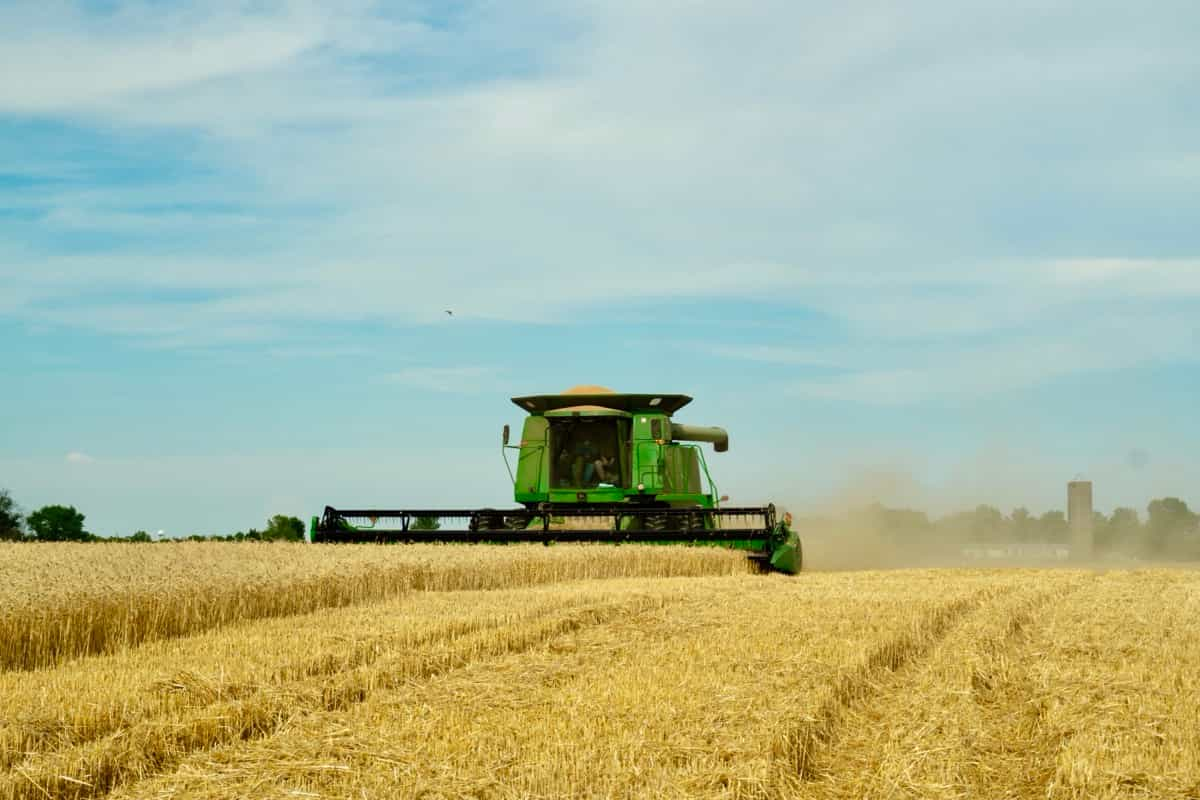
Krishi Vigyan Kendra Schemes
What is Krishi Vigyan Kendra?
Krishi Vigyan Kendras (KVKs) are the backbone of agricultural extension services in India. Established by the ICAR- Indian Council for Agricultural Research and its affiliated institutions, these centers operate at the district level, making them accessible to farmers nationwide. KVKs are a vital link between the National Agricultural Research System (NARS) and the agricultural community.
KVKs are dedicated to providing comprehensive farm support and disseminating knowledge about cutting-edge agricultural technologies. They act as local hubs for agricultural research, extension, and education. These centers offer a diverse range of services, including:
- Technology Dissemination: KVKs are pivotal in introducing farmers to the latest agricultural practices and innovations. They are a conduit for knowledge transfer from research institutions to the fields.
- On-Farm Testing: KVKs conduct on-farm trials to evaluate the suitability of various technologies in specific local contexts. This ensures that farmers receive solutions tailored to their needs.
- Capacity Building: Through workshops, training programs, and demonstrations, KVKs empower farmers and extension personnel with the skills needed to adopt modern agricultural techniques.
The KVK initiative began in 1974 by establishing the first center in Puducherry. Since then, the network has expanded significantly. KVKs are affiliated with agricultural universities, ICAR institutes, government departments, and NGOs focused on agriculture. They operate under the guidance of 11 Agricultural Technology Application Research Institutes (ATARIs) distributed across India.
In case you missed it: National Beekeeping and Honey Mission (NBHM): Features, Schemes, and Benefits
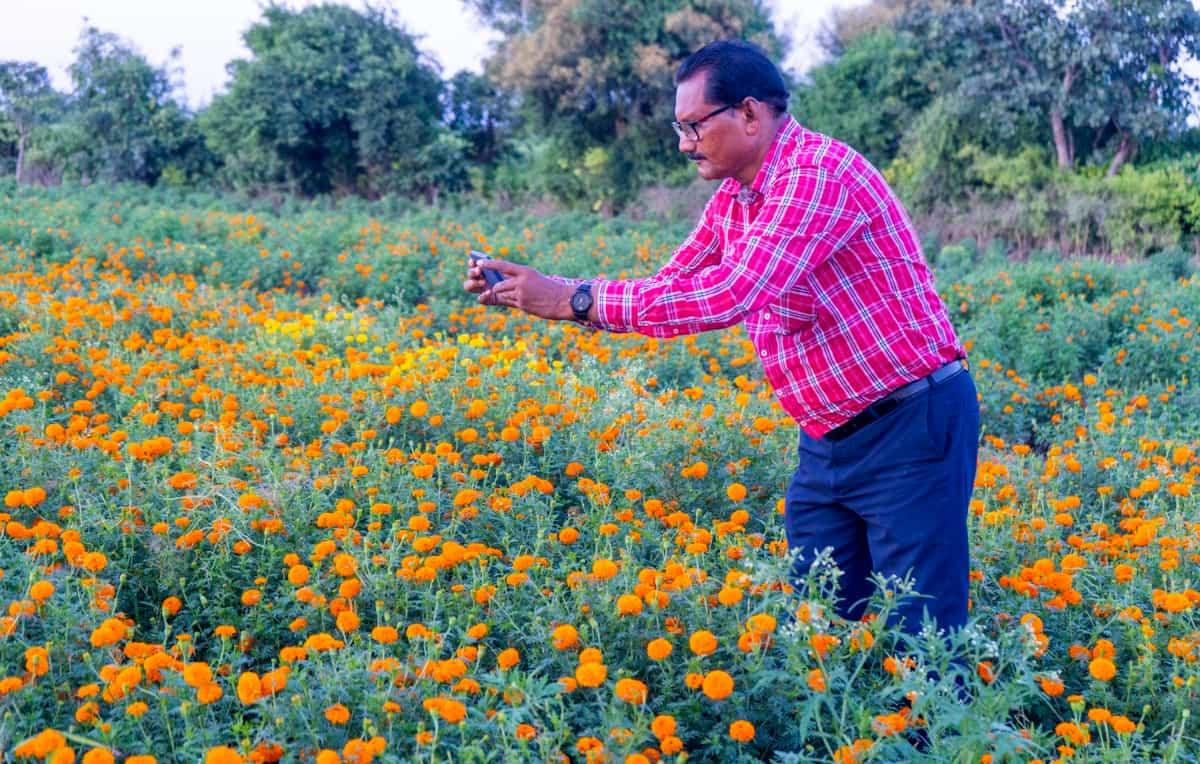
It is crucial to note that the Indian Government fully funds KVKs. This financial support underscores the government’s commitment to the agricultural sector and aims to increase farmers’ income. The KVKs are not only agents of change but also symbols of hope for a prosperous and sustainable future for Indian agriculture.
The Origins and History of KVKs
A significant educational initiative was born in India in response to the Education Commission’s (1964-66) recommendation. It was suggested that specialized institutions be established to provide education in agriculture and allied fields, catering to the needs of rural youth. These institutions were to be known as ‘Agricultural Polytechnics.’ The idea underwent thorough deliberation from 1966 to 1972, involving various government bodies, including the Ministry of Education, the Ministry of Agriculture, and the Planning Commission.
Eventually, the Indian Council of Agricultural Research proposed a groundbreaking concept: establishing Krishi Vigyan Kendras (KVKs), which translates to Agricultural Science Centers. These innovative institutions aimed to provide vocational training to farmers, school dropouts, and field-level extension workers.
Recognizing the national importance of KVKs, the ICAR Standing Committee on Agricultural Education convened in August 1973. They agreed that establishing KVKs would significantly impact agricultural production and enhance the socio-economic conditions of farming communities. To bring this vision to life, a committee led by Dr. Mohan Singh Mehta was formed in 1973 to create a detailed plan.
The first KVK was established on a pilot basis in 1974 in Puducherry (Pondicherry) under the supervision of the Tamil Nadu Agricultural University, Coimbatore. Since then, the KVK network has expanded substantially, with 731 KVKs in operation. These are affiliated with various institutions, including State Agricultural Universities, ICAR Institutes, NGOs, State Governments, and more, all working collaboratively to empower rural India through agricultural education and training.
Mandate of KVKs
- Vocational Education: KVKs were envisioned to provide vocational education tailored to the needs of rural youth. They offer practical training in agriculture and allied sectors, equipping individuals, including school dropouts, with valuable skills.
- Agricultural Extension: At the core of KVK’s mission is agricultural extension. They serve as knowledge hubs, disseminating the latest farming techniques and technologies to farmers on a grassroots level. This includes information about crop cultivation, livestock management, and sustainable farming practices.
- Location-Specific Solutions: KVKs conduct on-farm testing to assess the suitability of agricultural technologies in specific regions. This ensures that farmers receive guidance tailored to their local conditions, increasing the effectiveness of farming practices.
- Capacity Building: KVKs organize workshops, training programs, and demonstrations. These initiatives aim to enhance the knowledge and skills of farmers and extension workers, helping them adopt modern agricultural methods.
- Supporting Rural Economies: KVKs contribute to the socio-economic development of rural areas by improving agricultural productivity. This, in turn, enhances the livelihoods of farming communities and aligns with the broader goal of doubling farmers’ income.
- Collaboration and Affiliation: KVKs are affiliated with various institutions, including State Agricultural Universities, ICAR Institutes, NGOs, and State Governments. This collaborative approach ensures a holistic and inclusive approach to agricultural education and training.
- On-Farm Testing: KVKs operate small farms to test new technologies, evaluating their suitability for various farming systems and local conditions.
- Frontline Demonstrations: They organize programs to showcase the effectiveness of new technologies on farmers’ fields, establishing their production potential.
- Multi-Sector Support: These centers serve as knowledge and resource hubs for supporting agricultural initiatives from different sectors, contributing to the district’s agricultural economy.
- Advisory Services: KVKs provide farm advisories using information and communication technologies, offering weather and market pricing guidance.
- Technological Products: They produce and distribute high-quality technological products such as seeds, planting material, bio-agents, and livestock to farmers.
- Innovation Documentation: KVKs identify and document selected farm innovations, fostering agricultural advancements.
In case you missed it: Pig Farming in Nagaland: Business Plan, Schemes, Breeds, Loans, Setup Cost, Profit, And Requirements
Krishi Vigyan Kendra (KVK) Features
- Resource Creation: KVKs are hubs for developing technical expertise and valuable agricultural assets.
- Tailored Technologies: They confirm and adapt technologies to suit the unique characteristics of local regions, enhancing their effectiveness.
- Cutting-Edge Showcase: KVKs act as showcases for pioneering agricultural technologies, ensuring farmers are exposed to the latest innovations.
- Capacity Building: These centers are instrumental in building the skills and knowledge of stakeholders, including farmers and extension workers.
- Technological Vanguard: KVKs are at the forefront of applying technology, providing crucial information and inputs for agriculture.
- Participatory Approach: They engage in inclusive planning, implementation, execution, and evaluation of agricultural initiatives.
KVK – Aims & Objectives
- On-Farm Testing: KVKs are pivotal in conducting on-farm testing to demonstrate agricultural technologies tailored to specific locations.
- Location-Specific Assessment: They assess technology modules in agriculture and allied sectors, refining and demonstrating them in practical, localized settings.
- Knowledge and Resource Centers: KVKs serve as knowledge and resource centers supporting agricultural technology initiatives from various sectors, including public, private, and voluntary.
Krishi Vigyan Kendras (KVKs) Portal: Bridging Knowledge and Farms
The Government’s Krishi Vigyan Kendras (KVKs) Portal is a transformative initiative to enhance agricultural knowledge dissemination and support across India. Its primary aim is to swiftly and effectively transfer cutting-edge agricultural technologies from scientists to farmers, utilizing web and mobile technologies for seamless connectivity.
- Activity Monitoring: The portal serves as a comprehensive platform to monitor the activities of various KVKs, ensuring they function optimally and fulfill their mandates.
- Program Database: It creates a centralized database detailing the diverse programs organized by KVKs, offering a wealth of information and learning resources.
- Farmers’ Query Resolution: Farmers can easily resolve their queries through web and mobile technologies, accessing valuable agricultural guidance.
- Information Hub: The portal provides crucial information about the facilities and activities conducted by KVKs, bridging the gap between farmers and essential data such as weather and market information.
Krishi Vigyan Kendras (KVKs) Locations and States-Wise
ATARI, Zone I, Ludhiana – 72 KVKs
- Jammu and Kashmir: 20 KVKs
- Ladakh (UT): 4 KVKs
- Punjab: 22 KVKs
- Uttarakhand: 13 KVKs
- Himachal Pradesh: 13 KVKs
ATARI, Zone II, Jodhpur – 66 KVKs
- Delhi: 1 KVK
- Haryana: 18 KVKs
- Rajasthan: 47 KVKs
In case you missed it: Dairy Entrepreneurship Development Scheme in India: DEDS Benefits, Eligibility, and How to Apply
ATARI, Zone III, Kanpur – 89 KVKs
- Uttar Pradesh: 89 KVKs
ATARI, Zone IV, Patna – 68 KVKs
- Jharkhand: 24 KVKs
- Bihar: 44 KVKs
ATARI, Zone V, Kolkata – 59 KVKs
- A & N Islands: 3 KVKs
- Odisha: 33 KVKs
- West Bengal: 23 KVKs
ATARI, Zone VI, Guwahati – 47 KVKs
- Assam: 26 KVKs
- Arunachal Pradesh: 17 KVKs
- Sikkim: 4 KVKs
ATARI, Zone VII, Barapani – 43 KVKs
- Manipur: 9 KVKs
- Tripura: 8 KVKs
- Nagaland: 11 KVKs
- Mizoram: 8 KVKs
- Meghalaya: 7 KVKs
ATARI, Zone VIII, Pune – 81 KVKs
- Maharashtra: 50 KVKs
- Gujarat: 30 KVKs
- Goa: 2 KVKs
ATARI, Zone IX, Jabalpur – 82 KVKs
- Chhattisgarh: 28 KVKs
- Madhya Pradesh: 54 KVKs
ATARI, Zone X, Hyderabad – 76 KVKs
- Tamil Nadu: 33 KVKs
- Puducherry: 3 KVKs
- Andhra Pradesh: 24 KVKs
- Telangana: 16 KVKs
ATARI, Zone XI, Bengaluru – 48 KVKs
- Karnataka: 33 KVKs
- Kerala: 14 KVKs
- Lakshadweep: 1 KVK
In case you missed it: Whitefly Management in Cotton Crop: Symptoms, Control, and Best Insecticides for Cotton
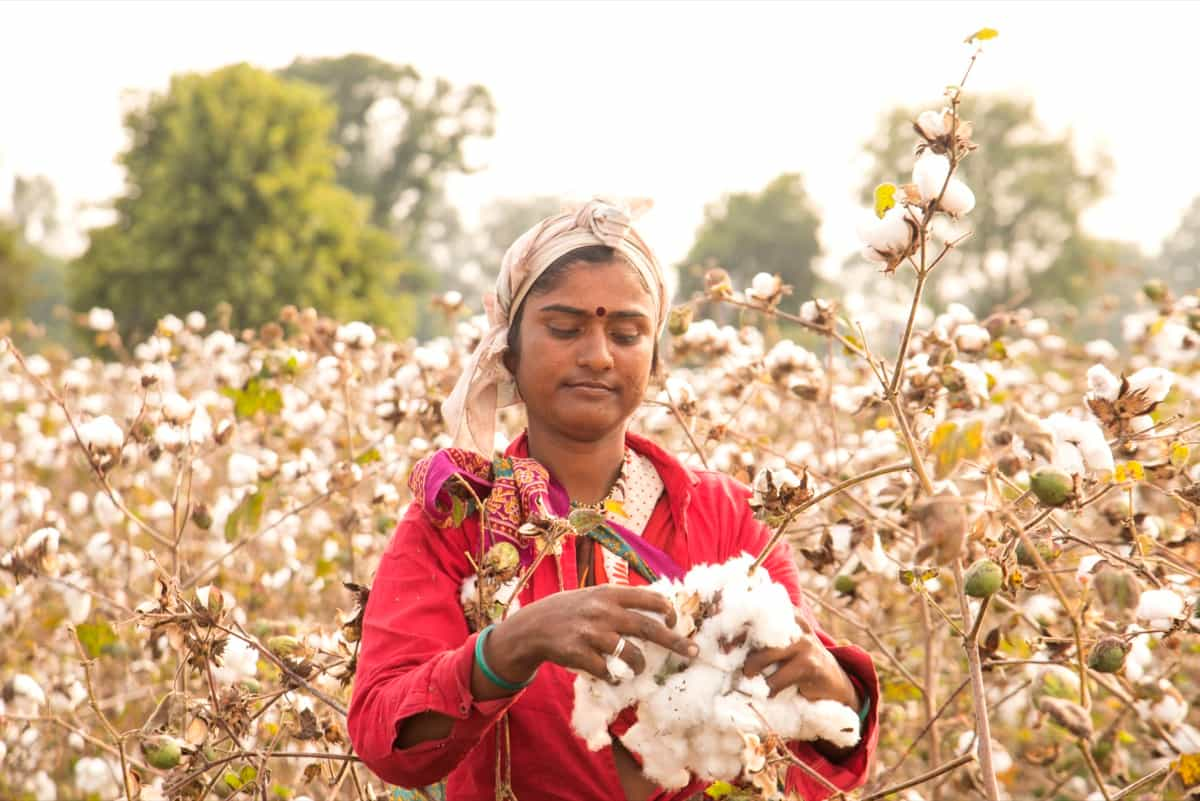
Krishi Vigyan Kendra (KVK): Bridging the Gap between Research and Farming
Krishi Vigyan Kendras (KVKs) are essential in India’s agricultural landscape, bridging the Indian Council of Agricultural Research (ICAR) and farmers. These agricultural extension centers, often called “farm science centers,” are established in association with local agricultural universities and are tasked with the practical application of agricultural research in specific geographic contexts. Currently, there are 11 Agricultural Technology Application Research Institutes (ATARIs) across India under whose jurisdiction all KVKs operate.
KVKs engage in various activities aimed at enhancing agricultural productivity and knowledge dissemination. They provide farm advisory services, training programs for farmers and extension personnel, and extension functionary training to ensure effective dissemination of agriculture-related information. They organize frontline demonstrations to showcase the effectiveness of new technologies and practices on farmers’ fields and conduct on-farm testing to evaluate the suitability of agricultural technologies in specific regions.
KVKs are crucial in disseminating agricultural technologies and innovations to farmers, translating research into practical solutions. Their significance lies in their ability to empower farmers with knowledge, foster the adoption of modern agricultural practices, and contribute to the growth of India’s agricultural sector.
Online Resources KVK Portal
The Online Resources KVK Portal is a valuable digital platform for farmers and agricultural enthusiasts. It offers a wealth of information and tools to support farming activities. You can access agricultural technologies, training resources, and advisory services on this portal. It’s a one-stop destination for farming-related queries, providing quick and easy solutions. Whether you’re looking for crop-specific guidance, weather updates, or market information, the KVK Portal has you covered. It’s a user-friendly interface that empowers farmers with knowledge and helps them make informed decisions.
Find Your Nearest KVK
- Visit the Official KVK Portal: Visit the official Krishi Vigyan Kendra (KVK) portal. You can easily find this website through a search engine.
- Locate the “Find Your Nearest KVK” Option: On the portal’s homepage, look for an option to find the nearest KVK. This option is typically labeled “Find Your Nearest KVK” or similar.
- Enter Your Location: Click on this option, and you may be prompted to enter your location details. This could be as simple as selecting your state district or entering your PIN code.
- Search for KVKs: After entering your location, click the search button. The portal will then display a list of KVKs near your specified location.
- Review KVK Details: You’ll see a list of KVKs with their names, addresses, and contact information. Review this information to find the KVK that best suits your needs.
- Contact the KVK: Once you’ve identified your nearest KVK, you can contact them for further assistance or to plan a visit.
Krishi Vigyan Kendra (KVK) Schemes and Training Programs
Krishi Vigyan Kendras (KVKs) are pivotal in boosting agricultural knowledge and practices across India. They offer various training programs and schemes to enhance farming skills and improve agricultural productivity. KVKs are farmers engaged in various initiatives to improve their livelihoods. They offer on-farm training, front-line demonstrations, seed production, livestock management, farmers’ field schools, exposure visits, skill development, integrated farming systems (IFS), Krishi Kalyan Abhiyan, National Mission for Sustainable Agriculture, and Rashtriya Krishi Vikas Yojana.
These programs aim to educate farmers about modern farming techniques, technologies, and practices. They also provide training on livestock management, including animal health, nutrition, and breeding practices. KVKs also organize exposure visits to successful model farms or agricultural research institutions, exposing farmers to best practices.
In case you missed it: Ultimate Guide to Greenhouse Irrigation and Water Management
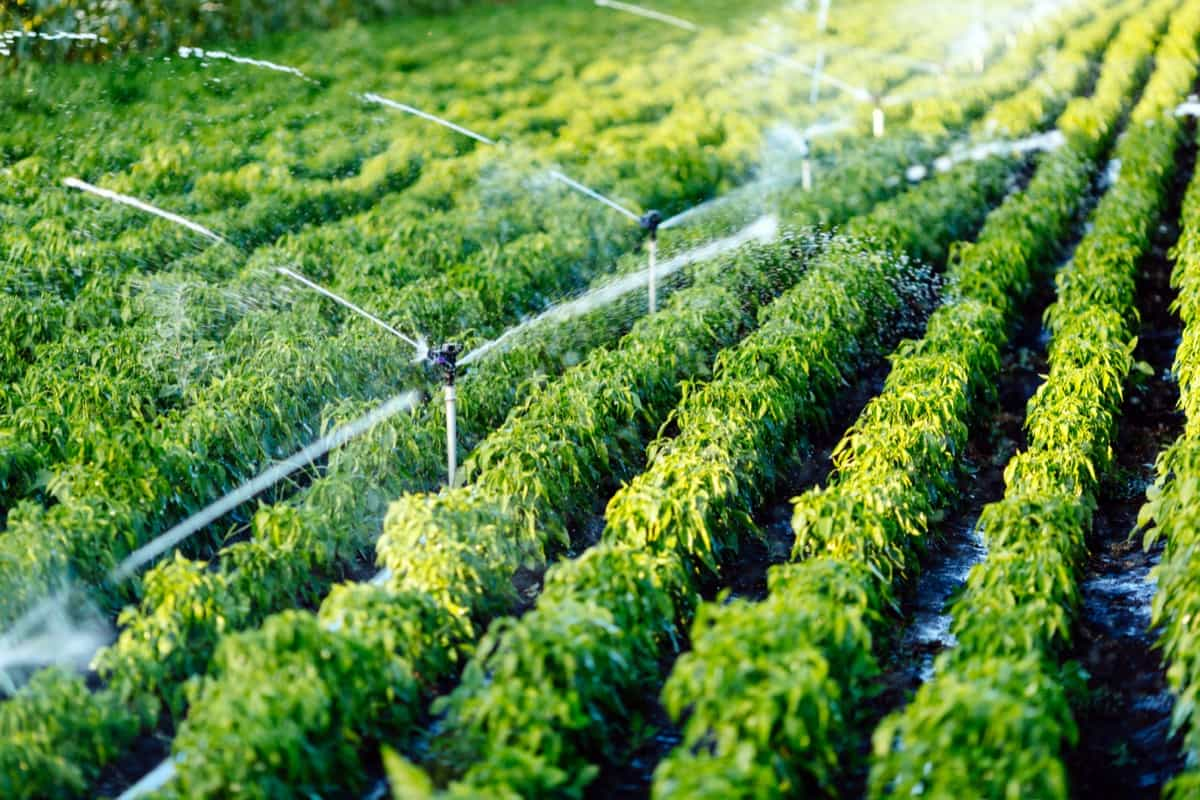
Their training programs focus on enhancing skills related to organic farming, post-harvest management, and value addition to agricultural produce. They also actively participate in the National Mission for Sustainable Agriculture (NMSA) and Rashtriya Krishi Vikas Yojana (RKVY), aiming to strengthen agriculture and increase farmers’ income through various projects and interventions.
Conclusion
Krishi Vigyan Kendras (KVKs) are vital pillars in India’s agricultural landscape. Through their training programs and schemes, they empower farmers, drive innovation, and elevate the nation’s agriculture, fostering prosperity in rural communities.
- How to Build a Low-budget Goat Shed: Cheap Ideas and Tips
- Goat Farming Training Programs in India: A Beginner’s Guide
- Types of Pesticides Used in Agriculture: A Beginner’s Guide
- Economical Aquaculture: A Guide to Low-Budget Fish Farming
- 15 Common Planting Errors That Can Doom Your Fruit Trees
- How to Make Houseplants Bushy: Effective Tips and Ideas
- Innovative Strategies for Boosting Coconut Pollination and Yield
- Pollination Strategies for Maximum Pumpkin Yield
- The Complete Guide to Chicken Fattening: Strategies for Maximum Growth
- Natural Solutions for Tulip Problems: 100% Effective Remedies for Leaf and Bulb-Related Issues
- Revolutionizing Citrus Preservation: Towards a Healthier, Greener Future
- Natural Solutions for Peony Leaf and Flower Problems: 100% Effective Remedies
- Maximizing Profits with Avocado Contract Farming in India: A Comprehensive Guide
- Natural Solutions for Hydrangea Problems: 100% Effective Remedies for Leaf and Flowers
- The Ultimate Guide to Choosing the Perfect Foliage Friend: Bringing Life Indoors
- From Sunlight to Sustainability: 15 Ways to Use Solar Technology in Agriculture
- The Ultimate Guide to Dong Tao Chicken: Exploring from History to Raising
- The Eco-Friendly Makeover: How to Convert Your Unused Swimming Pool into a Fish Pond
- Mastering the Art of Delaware Chicken Farming: Essentials for Healthy Backyard Flocks
- 20 Best Homemade Fertilizers for Money Plant: DIY Recipes and Application Methods
- How to Craft a Comprehensive Free-Range Chicken Farming Business Plan
- Brighten Your Flock: Raising Easter Egger Chickens for Beauty and Bounty
- How to Optimize Your Poultry Egg Farm Business Plan with These Strategies
- Subsidy for Spirulina Cultivation: How Indian Government Schemes Encouraging Spirulina Farmers
- Ultimate Guide to Raising Dominique Chickens: Breeding, Feeding, Egg-Production, and Care
- Mastering the Art of Raising Jersey Giant Chickens: Care, Feeding, and More
- Ultimate Guide to Raising Legbar Chickens: Breeding, Farming Practices, Diet, Egg-Production
- How to Raise Welsummer Chickens: A Comprehensive Guide for Beginners
- How to Protect Indoor Plants in Winter: A Comprehensive Guide
- Ultimate Guide to Grow Bag Gardening: Tips, Tricks, and Planting Ideas for Urban Gardeners
- Guide to Lotus Cultivation: How to Propagate, Plant, Grow, Care, Cost, and Profit
- Agriculture Drone Subsidy Scheme: Government Kisan Subsidy, License, and How to Apply Online
- Ultimate Guide to Raising Araucana Chickens: Breed Profile, Farming Economics, Diet, and Care
- Bringing Hydroponics to Classroom: Importance, Benefits of Learning for School Students
- Ultimate Guide to Raising Polish Chickens: Breed Profile, Farming Economics, Diet, and Care
- Ultimate Guide to Raising Australorp Chickens: Profile, Farming Economics, Egg Production, Diet, and Care