Poultry farming is the method of raising domestic birds such as chickens, ducks, turkeys, and geese for their eggs or meat. It’s a crucial part of agriculture and food production worldwide. This type of farming provides a sustainable source of protein-rich products that are consumed by many people globally.
Profitable Poultry Management Strategies
Types of Poultry Farming Systems
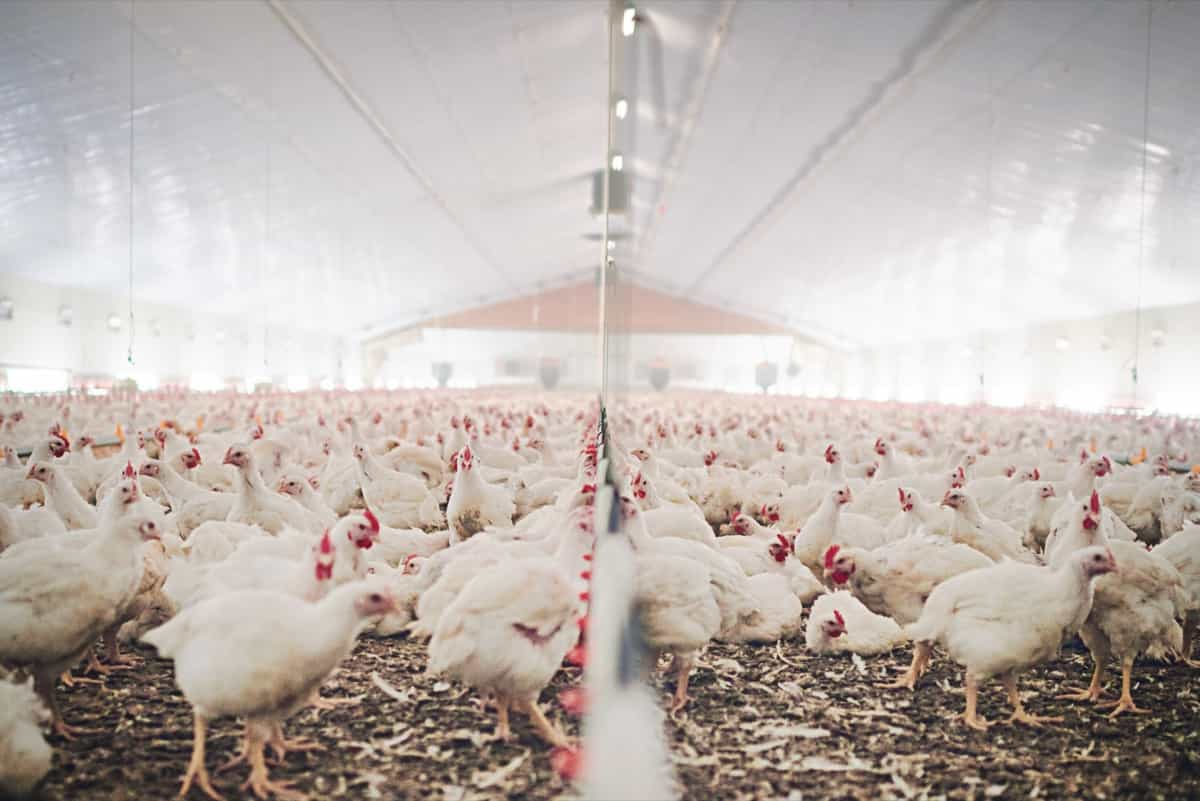
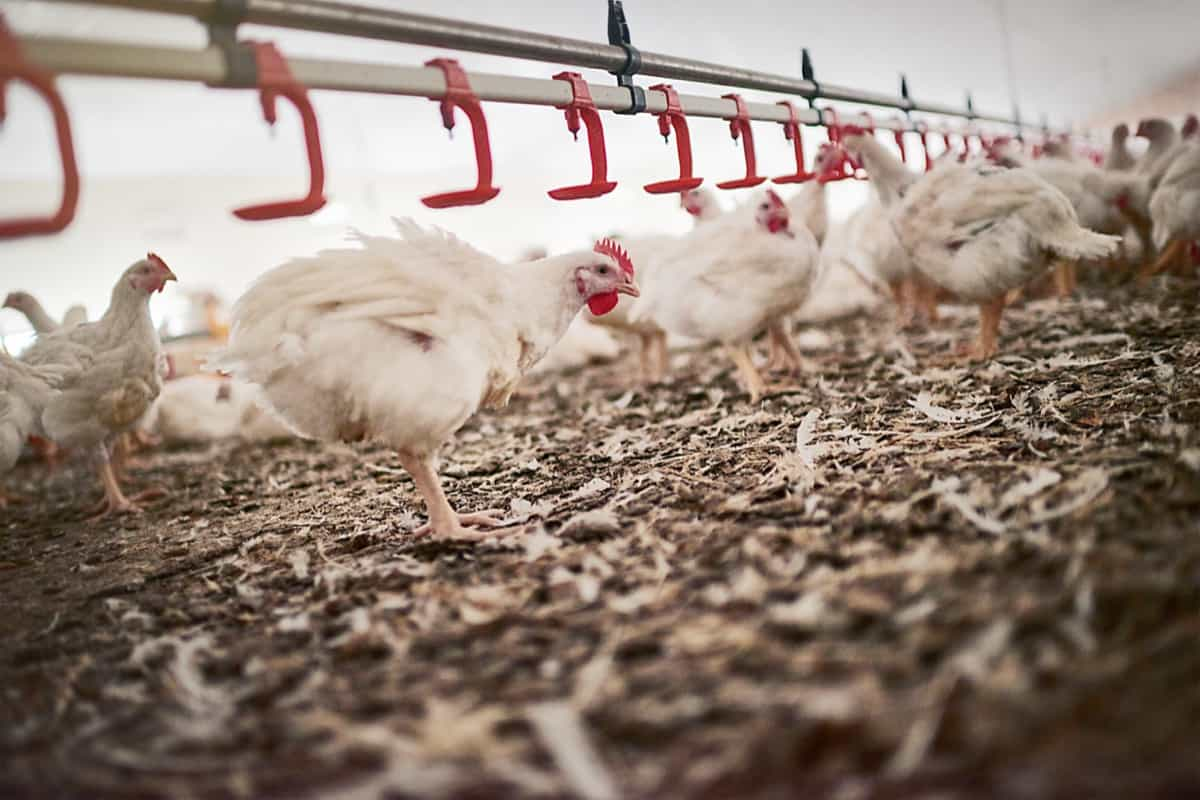
The common system is the extensive free-range method, where birds have access to outdoor spaces for foraging and exercise. This system promotes natural behaviors but requires more land. On the other hand, the intensive confinement system involves housing birds indoors in controlled environments. This method allows for easier management of feeding, watering, and disease control but may raise concerns about animal welfare.
Another popular approach is the semi-intensive system, which combines elements of both free-range and confinement methods. Birds have some outdoor access while still receiving supplemental feed indoors. Each type of farming system has its advantages and challenges. Poultry farmers need to consider their priorities and resources when selecting the most suitable system for their operation.
Choosing the Right Poultry Breed
Different breeds have unique characteristics and requirements, so it’s essential to select one that aligns with your goals and resources. Consider factors such as egg production, meat quality, adaptability to local climate, and disease resistance when deciding on a poultry breed. Some popular choices for beginners include Rhode Island Reds, Plymouth Rocks, and Leghorns for egg-laying purposes.
If you’re interested in meat production, breeds like Cornish Cross or Broad Breasted White are known for their rapid growth and high yields. Take the time to research each breed thoroughly before deciding to ensure they fit your farm’s needs.
How to Choose Suitable Breeds for Beginners
When starting your poultry farming journey as a beginner, selecting the right breed is crucial. Consider factors like egg production, meat quality, and adaptability to your climate. Research different breeds and their characteristics to find ones that align with your goals. For beginners looking for high egg production, popular choices include Leghorns and Rhode Island Reds. If you’re interested in dual-purpose birds for both eggs and meat, breeds like Plymouth Rocks and Orpingtons are excellent options.
Climate plays a significant role in choosing suitable breeds. Some chickens thrive in colder temperatures, while others do better in warmer climates. Make sure to select breeds that can withstand the weather conditions of your region. Additionally, consider the size of the birds you want to raise, as some breeds grow larger than others. Think about whether you have enough space to accommodate larger birds or if smaller varieties would be more suitable for your setup.
How to Setup Poultry Housing and Infrastructure
The type of poultry housing you choose will depend on the flock size and the climate in your area. Ensure that the housing is well-ventilated, secure from predators, and provides ample space for the birds to move around comfortably. Consider factors like natural light exposure, temperature control, and proper drainage when designing your poultry housing. Utilize materials that are clean and disinfected to maintain a healthy environment for your poultry birds.
In case you missed it: Essential Guide to Disease Management for Backyard Poultry Owners
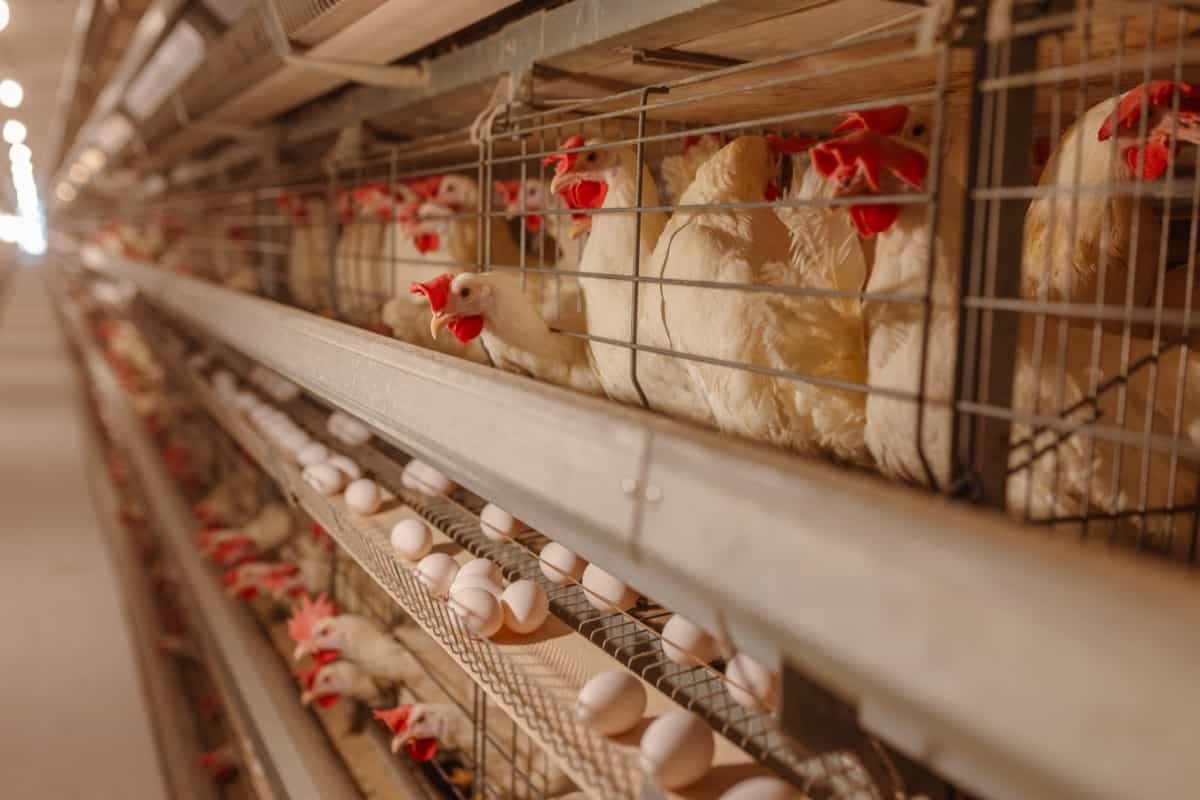
Adequate spacing per bird is key to preventing overcrowding and reducing stress among the flock. Incorporate nesting boxes, perches, feeders, and waterers into the design of the poultry housing for efficient management practices. Regularly inspect and maintain the infrastructure to ensure optimal conditions for your birds’ health and productivity.
What Equipment and Supplies Needed for Poultry Farming?
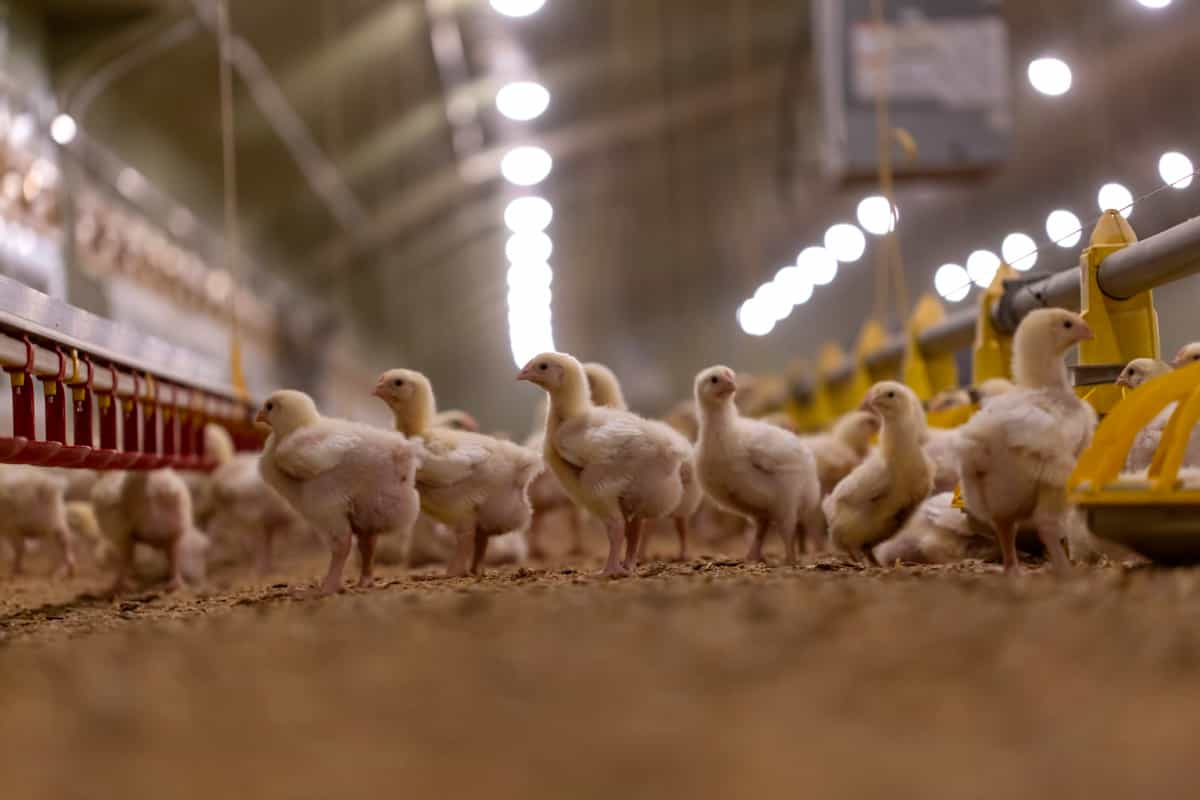
You will need suitable housing structures to provide shelter for your birds. This includes chicken coops or sheds that are secure and well-ventilated. Next, invest in feeding and watering systems to ensure your poultry have access to clean water and nutritious feed at all times. Additionally, you’ll require heating equipment, such as brooders for managing the temperature during the early stages of chicken rearing.
Furthermore, consider purchasing egg incubators if you plan on hatching eggs yourself rather than buying day-old chickens. Other essential supplies include feeders, drinkers, nesting boxes for laying hens, cleaning tools like shovels and brushes, as well as health products like vaccines and supplements.
How to Procure Day-Old Chickens or Hatching Eggs
When starting a poultry farm, one crucial step is procuring day-old chickens or hatching eggs. This can impact the success of your venture significantly. It’s essential to source high-quality chickens or eggs from reputable suppliers to ensure productive birds. Research local hatcheries or breeders known for their quality stock. Consider factors like breed suitability, disease resistance, and growth rate when selecting your baby chickens or eggs.
Ensure that the day-old chickens are active, alert, and free from any deformities or illnesses. If opting for hatching eggs, check for cleanliness and viability before placing them in an incubator. Proper handling during transportation is also critical to avoid stressing the delicate embryos. Establish a good relationship with your supplier to guarantee future purchases of healthy birds for your poultry farm.
Brooding Management for Baby Chickens
Ensure that the brooder temperature is suitable for the baby chickens’ age, starting around 35-37°C and decreasing gradually each week. Make sure there’s ample space for all chickens to move freely without overcrowding. Clean bedding should be provided regularly to maintain hygiene in the brooder area.
Waterers and feeders should be easily accessible for the chickens at all times to promote proper hydration and nutrition. Monitor their behavior to ensure they are eating and drinking adequately. Regularly observe the baby chickens for any signs of stress or illness, such as lethargy or abnormal droppings, and take necessary actions promptly.
Feeding and Nutrition Strategies
Providing a balanced diet to your birds is essential for their growth, health, and productivity. It’s important to formulate a feeding program that meets the specific nutritional requirements of each stage of poultry development – from baby chickens to layers or broilers. A well-balanced diet typically includes proteins, carbohydrates, fats, vitamins, minerals, and water. Ensure access to fresh water at all times, as dehydration can have adverse effects on poultry health.
In case you missed it: Maximizing Health and Productivity with Precision Nutrition Strategies for Poultry Farming
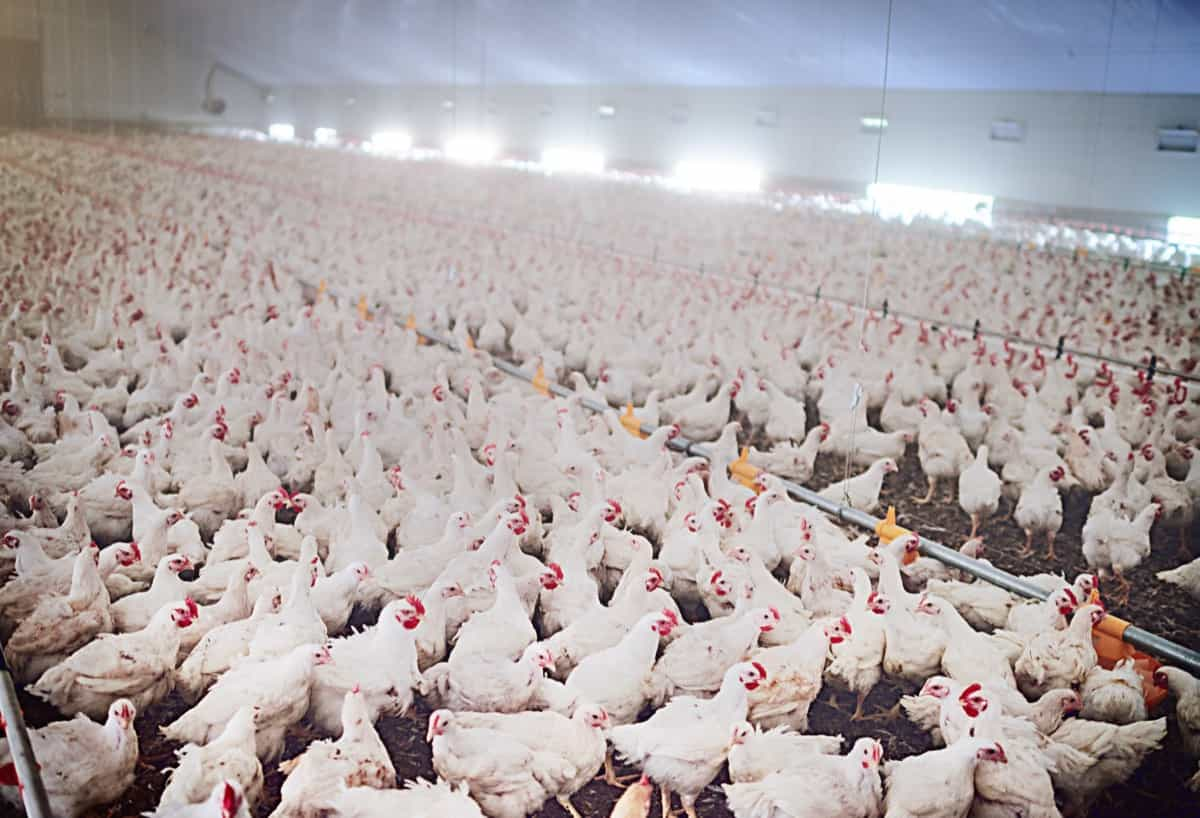
Additionally, offering supplemental sources of calcium, like oyster shells for layers, can improve eggshell quality. When determining the appropriate feed composition for your flock, consider factors such as age, breed, purpose (eggs or meat production), and environmental conditions. Consult with a poultry nutritionist or veterinarian to develop a customized feeding plan tailored to your specific flock’s needs.
Health Management in Poultry Business
Maintaining poultry health is crucial in ensuring a successful and profitable business. Regular health check-ups are essential to prevent diseases from spreading among your flock. It’s important to work closely with a veterinarian who specializes in poultry health to develop a comprehensive health management plan tailored to your farm’s specific needs. Proper nutrition is important in supporting your birds’ immune systems. Ensure they have access to clean water at all times and balanced feed that meets their nutritional requirements.
Additionally, maintaining good hygiene practices within the poultry housing can help prevent the spread of illnesses. Early detection is key to managing potential health issues in your flock. Look for any signs of illness, such as decreased egg production, respiratory problems, or changes in behavior. By addressing health concerns promptly, you can minimize the impact on your overall productivity and profitability.
Biosecurity Measures for Poultry Farms
Biosecurity measures are crucial in maintaining the health and well-being of poultry on a farm. Implementing strict biosecurity protocols can prevent the spread of diseases and protect your flock from potential threats. One key measure is controlling access to your farm by limiting visitors and ensuring that all equipment, vehicles, and supplies are properly sanitized before entering the premises. It’s also essential to quarantine new birds before introducing them to your existing flock.
Cleaning and disinfecting poultry housing, equipment, feeders, and waterers regularly is essential to preventing disease outbreaks. Proper waste management should be followed to reduce the risk of contamination. Monitoring bird health regularly can help detect any signs of illness early on. Immediate isolation of sick birds is necessary to prevent the spreading of infections within the flock.
Egg Handling and Production Management
Properly handling eggs ensures their quality and reduces the risk of contamination. When collecting eggs from the nest boxes, it is essential to handle them to avoid cracking or damaging the shells. After collecting the eggs, they should be promptly stored in a cool and clean environment to maintain freshness. It’s important to rotate the eggs regularly to prevent them from sticking together or developing air pockets inside. Inspecting each egg for cracks or abnormalities before packing is vital to ensure only top-quality eggs reach consumers.
Proper labeling with dates can help track the freshness of the eggs and meet regulatory requirements. Efficient production management involves monitoring egg production rates, adjusting feed accordingly, and implementing biosecurity measures to prevent diseases spread through contaminated eggs. By focusing on these key areas, poultry farmers can optimize their egg production process for maximum profitability.
Meat Production and Processing Techniques
After raising your birds for the desired period, it’s essential to ensure a humane and efficient process during slaughter. Proper handling and stunning methods are crucial aspects of this stage. Once the birds are processed, attention shifts to the proper packaging and storage of the meat.
In case you missed it: How to Manage Chicken Feed Costs: Economic Strategies for Nutritious Poultry Diets
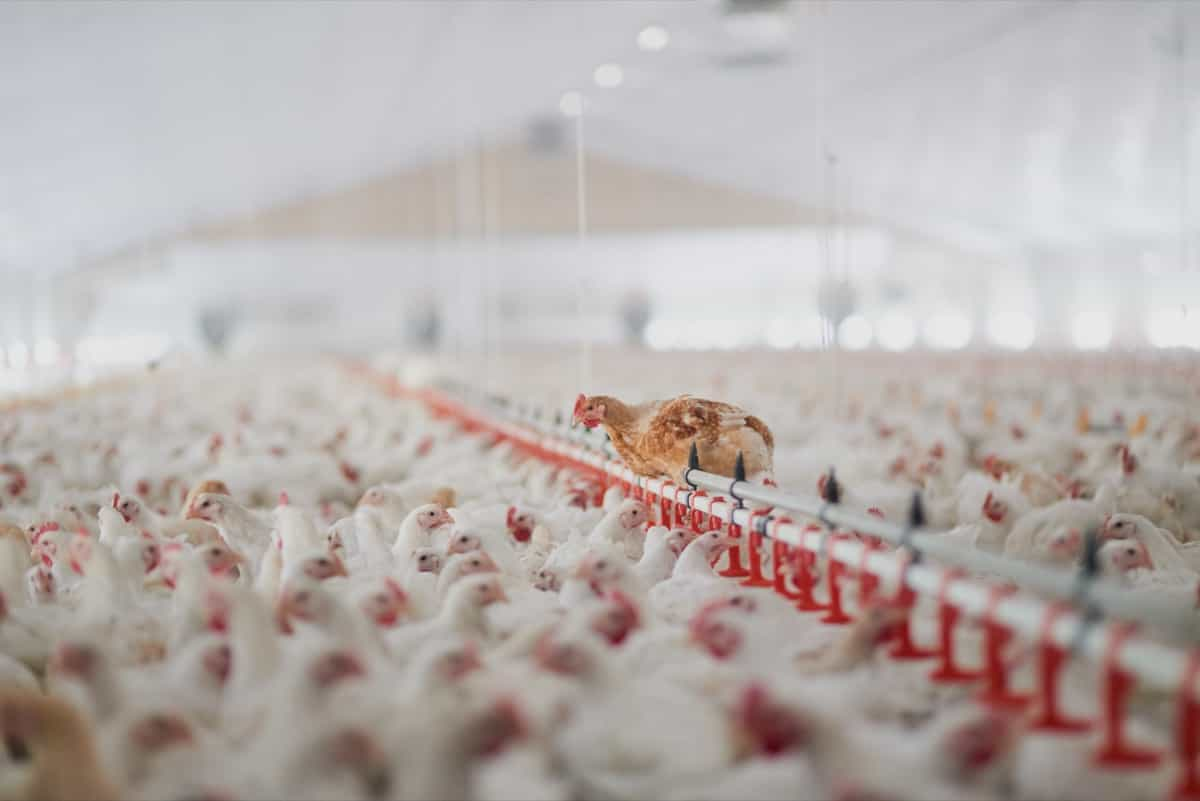
Maintaining hygiene standards is key to preserving the quality and safety of the product. Depending on the target market, you may select different cuts or processing methods suited to specific preferences or consumer demands. Customizing your approach can help maximize profits and customer satisfaction.
Marketing Strategies for Poultry Products
The effective approach is to utilize social media to engage with customers. Another strategy is to participate in local farmers markets or food fairs where you can directly interact with consumers and educate them about the quality of your poultry products. Offering samples can entice potential customers to try your products and increase their likelihood of making a purchase. Collaborating with restaurants, grocery stores, or specialty food shops in your area can also help expand your market reach.
Establishing partnerships with these businesses can lead to increased visibility for your brand and create opportunities for wholesale distribution. Don’t underestimate the power of word-of-mouth marketing. Encourage customers to spread the word about poultry products through referrals or online reviews. Building a reputation for customer service will ultimately drive repeat business and attract new customers effortlessly.
Financial Planning and Budgeting for Beginners
Beginners must carefully allocate funds for various aspects of the business to ensure profitability. It is essential to make a detailed budget that includes expenses such as housing construction, equipment procurement, feed costs, veterinary care, and marketing strategies. Researching current market prices for supplies and services can help beginners estimate their initial investment accurately.
In case you missed it: How to Start Poultry Farming in Jharkhand: Business Plan, Breeds, Setup Cost, and Requirements
Additionally, monitoring cash flow regularly and adjusting the budget as needed can aid in maintaining financial stability. Seeking advice from experienced poultry farmers or consulting with agricultural experts can provide valuable insights into effective financial management practices.
Sustainable Practices in Poultry Farming
Sustainable practices in poultry farming are crucial for the long-term success of your operation. By implementing eco-friendly methods, you can reduce waste and minimize environmental impact. Utilizing renewable energy sources like solar power can help lower carbon footprint while also cutting down on electricity costs. Incorporating organic feed options and avoiding antibiotics and hormones in poultry production can contribute to healthier birds and higher-quality products.
Implementing rotational grazing techniques allows the land to recover naturally, promoting soil health and biodiversity on your farm. Water conservation is another aspect of sustainability in poultry farming. Installing water-efficient systems like drip irrigation or automatic drinkers can help minimize water wastage while ensuring that your birds stay hydrated.
Cost to Start a Small-scale Poultry Farm
Starting a small-scale poultry farm requires careful financial planning. The initial costs can change based on factors like the size of the operation and the equipment needed. The cost expected from a small-scale poultry farm typically ranges from Rs. 50,000 to Rs. 1 lakh. This includes expenses like purchasing baby chickens, feed, housing equipment, vaccinations, and other miscellaneous items.
Income/Profit Expected from Small-scale Poultry Farm
The income expected from a poultry farm can vary based on the operation size, market demand, and operational efficiency. On average, a small-scale poultry farm can generate anywhere from Rs. 30,000 to Rs. 60,000 per month, depending on these variables. By selling eggs or meat directly to consumers or local markets, you can maximize your profits and increase your income.
In case you missed it: Innovations in Poultry Farming: Technology and Automation
Conclusion
Poultry farming business can be done on a small scale in backyard settings or on a large commercial level. The process involves housing, feeding, and caring for the birds to ensure their health and productivity. Running a successful poultry farm requires implementing profitable management strategies to ensure the productivity of your flock.
- Economical Aquaculture: A Guide to Low-Budget Fish Farming
- 15 Common Planting Errors That Can Doom Your Fruit Trees
- How to Make Houseplants Bushy: Effective Tips and Ideas
- Innovative Strategies for Boosting Coconut Pollination and Yield
- Pollination Strategies for Maximum Pumpkin Yield
- The Complete Guide to Chicken Fattening: Strategies for Maximum Growth
- Natural Solutions for Tulip Problems: 100% Effective Remedies for Leaf and Bulb-Related Issues
- Revolutionizing Citrus Preservation: Towards a Healthier, Greener Future
- Natural Solutions for Peony Leaf and Flower Problems: 100% Effective Remedies
- Maximizing Profits with Avocado Contract Farming in India: A Comprehensive Guide
- Natural Solutions for Hydrangea Problems: 100% Effective Remedies for Leaf and Flowers
- The Ultimate Guide to Choosing the Perfect Foliage Friend: Bringing Life Indoors
- From Sunlight to Sustainability: 15 Ways to Use Solar Technology in Agriculture
- The Ultimate Guide to Dong Tao Chicken: Exploring from History to Raising
- The Eco-Friendly Makeover: How to Convert Your Unused Swimming Pool into a Fish Pond
- Mastering the Art of Delaware Chicken Farming: Essentials for Healthy Backyard Flocks
- 20 Best Homemade Fertilizers for Money Plant: DIY Recipes and Application Methods
- How to Craft a Comprehensive Free-Range Chicken Farming Business Plan
- Brighten Your Flock: Raising Easter Egger Chickens for Beauty and Bounty
- How to Optimize Your Poultry Egg Farm Business Plan with These Strategies
- Subsidy for Spirulina Cultivation: How Indian Government Schemes Encouraging Spirulina Farmers
- Ultimate Guide to Raising Dominique Chickens: Breeding, Feeding, Egg-Production, and Care
- Mastering the Art of Raising Jersey Giant Chickens: Care, Feeding, and More
- Ultimate Guide to Raising Legbar Chickens: Breeding, Farming Practices, Diet, Egg-Production
- How to Raise Welsummer Chickens: A Comprehensive Guide for Beginners
- How to Protect Indoor Plants in Winter: A Comprehensive Guide
- Ultimate Guide to Grow Bag Gardening: Tips, Tricks, and Planting Ideas for Urban Gardeners
- Guide to Lotus Cultivation: How to Propagate, Plant, Grow, Care, Cost, and Profit
- Agriculture Drone Subsidy Scheme: Government Kisan Subsidy, License, and How to Apply Online
- Ultimate Guide to Raising Araucana Chickens: Breed Profile, Farming Economics, Diet, and Care
- Bringing Hydroponics to Classroom: Importance, Benefits of Learning for School Students
- Ultimate Guide to Raising Polish Chickens: Breed Profile, Farming Economics, Diet, and Care
- Ultimate Guide to Raising Australorp Chickens: Profile, Farming Economics, Egg Production, Diet, and Care
- Silkie Chicken Farming: Raising Practices, Varieties, Egg Production, Diet, and Care
- Sussex Chicken Farming: Raising Practices, Varieties, Egg Production, Diet and Care
- Homemade Feed Formulations for Livestock: Discover Cost-effective Starter to Finisher Feed Recipes
We don’t support personally, We have another blog where complete details of Poultry Farming is provided. Here is the link
For Poultry Farming Guide: Read here.
Raising a poultry is a good form of business but those who want to go with this kind of business should be aware of that diseases having to raise chicken would bring. Also, they business owners should ensure that water pollution could be avoided as well. They have to keep chicken waste and any dead chickens away from the waters. That way we there wouldn’t be water contamination. Their place must be kept clean at all cost.
Hi,I need 8000 layer poultry farm project report.
Here is the rough project report for 10000 Layer Poultry Farming.
Is there any training to learn the poultry farming
Good question. The best way to learn about any livestock program is to visit local farms. However, the Poultry department of state and other private institutions also providing poultry farming training. You should visit any agriculture university or state government poultry department for training calendar.
I believe that, when we youths of today should enter into Agribusiness with the strength we have today famine will be avoided tomorrow, so let hook our faith today and work hard to elevate the agriculture success story today.
DON RAPH.
What all are the licenses and consents required from local punchayat or municipalities??Please advise.
You should contact the Department of Poultry for specific guidelines about setting up a commercial poultry farm
I am willing to do contract poultry (BROILER) farming, in Nanded district of Maharashtra state (431804). So please provide me with the companies related to contract (INTEGRATION) farming.
Sir, please let me know how to post in “KISAN CLASSIFIEDs”?. I have created an account on kisan classifieds.
Dear Sir,
I Would like to start poultry business in Tamil Nadu, may I know how much does it cost?
And I work in Dubai, I am coming soon to start a business in India, I would like to do some organic farming as well,
thank you
Regards
Check this: Poultry Farming Business.
Hello, I need a list of poultry farmers in Maharashtra.
Dear Sir,
I would like to start a poultry farm (BROILER BREED) with a capacity of 30000 birds in Andhra Pradesh. I need a project report indetailed. Is their any chance to get a loan
Hello, I am wondering if you could send me PDF version of this article
Regards, Rick
We are providing any kind of poultry cage with high quality GI Coated and SS wire with standard specifications of cage size. Reply for any questions.
1 acre is good to start a poultry .
Hello Mr Reddy
Your article very helpful for beginners to understand and take a decision whether or not to proceed.
Thanks
Rajasomashekhar
Dear Mr Reddy
Please share detailed cost report for 10000 birds broiler poultry for meat.
Regards
I want to start broiler production in Jamnagar,Gujarat, please share any consultants, equipment sellers and any possible help for to start with 5000 birds.
I need a training for 10000 layer poultry
Loved reading your article. it was really informational for me. wish to see more in the coming days.